Fine Arts Museums of San Francisco recently offered a fascinating opportunity to view the works of two remarkable women artists: American Impressionist Mary Cassatt (1844-1926) at the Legion of Honor and Art Deco icon Tamara de Lempicka (1898-1980) at the de Young. Mary Cassatt at Work is the first major U.S. presentation of Cassatt’s work in over 25 years. With more than 100 pieces, the exhibition surveys Cassatt’s materials and processes across 50 years of art-making. Tamara de Lempicka, meanwhile, with more than 120 drawings and paintings, marks her first full museum retrospective in the United States. While both navigated the challenges of working in a male-dominated art world, their approaches to subject matter, artistic expression, public persona, and ultimate position in art history reveal contrasting yet equally compelling perspectives on the complexities of modernity.
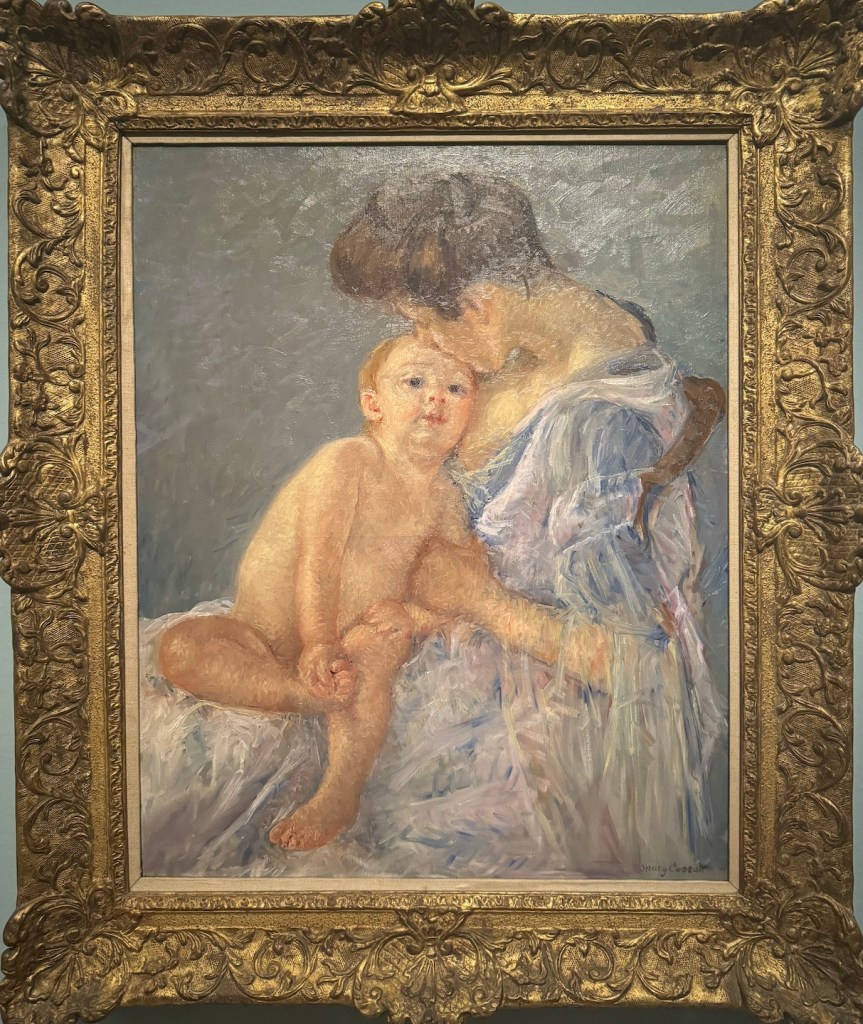
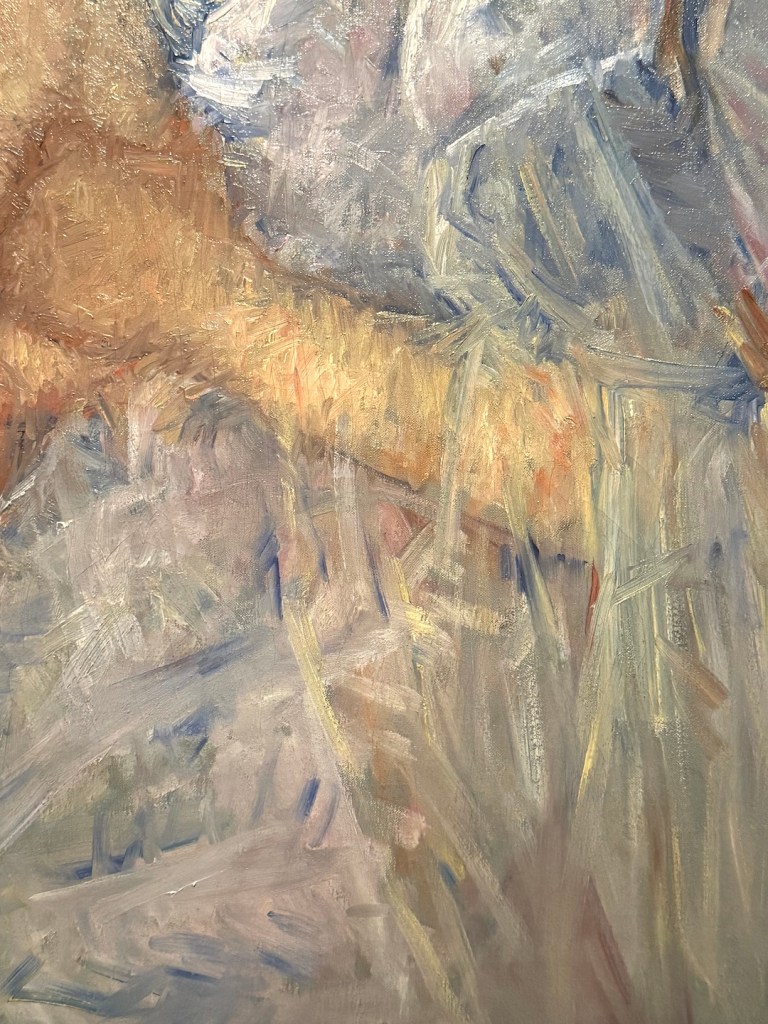
Mary Cassatt was born in Pennsylvania, USA, into a well-to-do family and defied societal norms to pursue a career as a professional artist. She trained in Philadelphia before moving to Paris in 1866, where she would become one of the few American artists to join the Impressionist movement. Cassatt is celebrated for her paintings of women and children, but the exhibition sheds light on many aspects of her artistic exploration in both techniques and subject matters. In her oil and pastel painting, the airy and light infused brushwork, while typical of the impressionists, was also energetic and abstract, in sharp contrast with the delicate linework of her drypoint prints. Her composition, the use of big shapes and patterns, was influenced by Japanese woodblock prints, a craft she herself attempted.

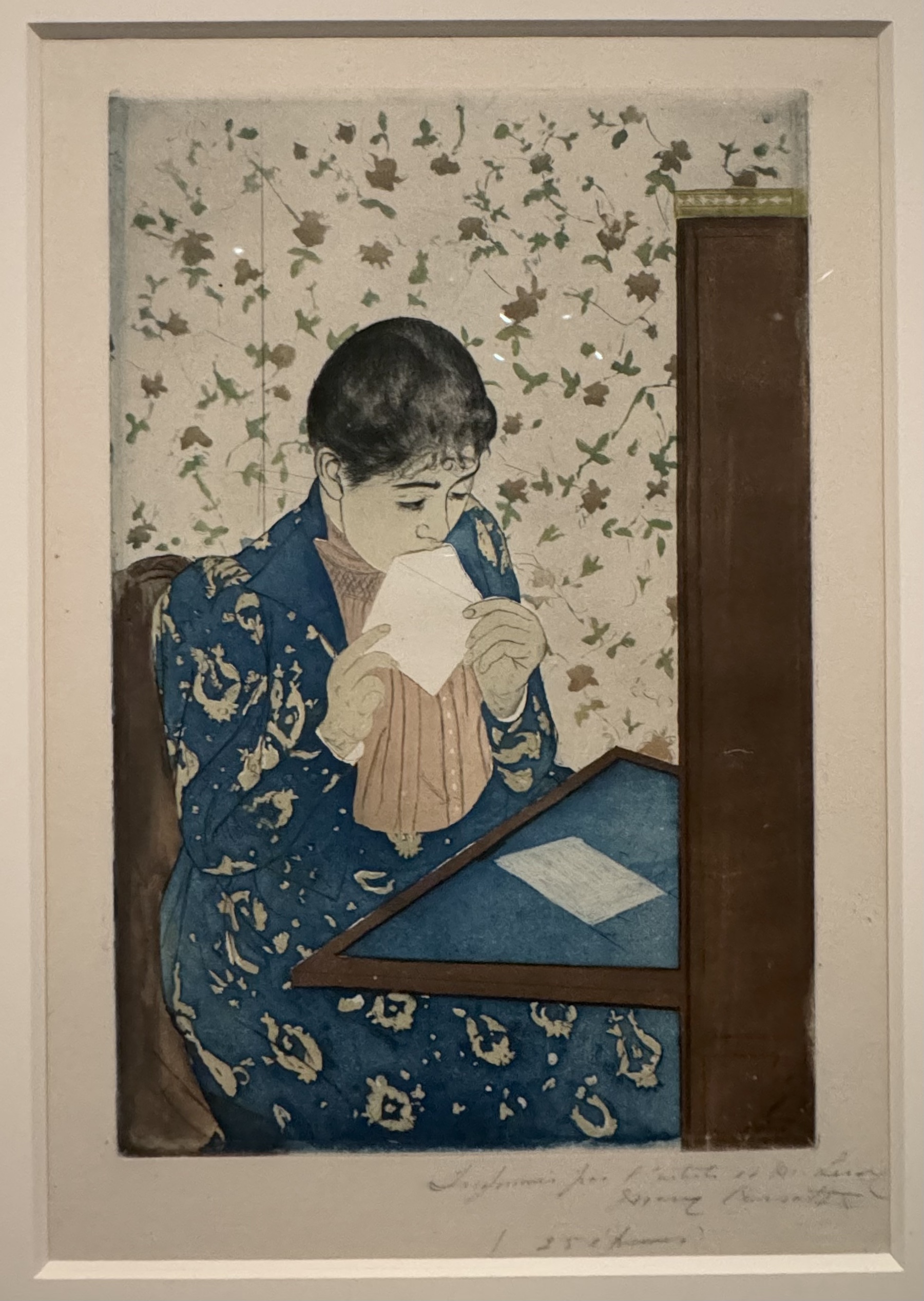
Apart from her technical versatility, the most interesting aspect to me was her choice of subject matter. Her earlier works often featured people around her. She chronicled her immediate surroundings, capturing her parents reading, her sister sewing, and domestic employees doing house work and taking care of children. Her later works narrowed in more and more on the mother-child theme. The composition was more staged, the brushwork more polished.
Cassatt didn’t have children. Her focus on domesticity could be seen as a way to compensate for this lack in her own life. It could also have been a calculated choice to manufacture a narrative or a niche presence for her art. Many of her paintings, while seemingly catching an intimate moment, were created using paid models in carefully crafted studio fictions. Her own mother called her a woman who was “intent on fame and money.” This single-minded focus rendered her commercial success, but in comparison, her later art was less intriguing and experimental. In a time when woman had less opportunity to make a name in art, a woman artist must be more conscious about how she’s perceived by her peers and the public. The trade-off might have been necessary for a woman to succeed in this field.
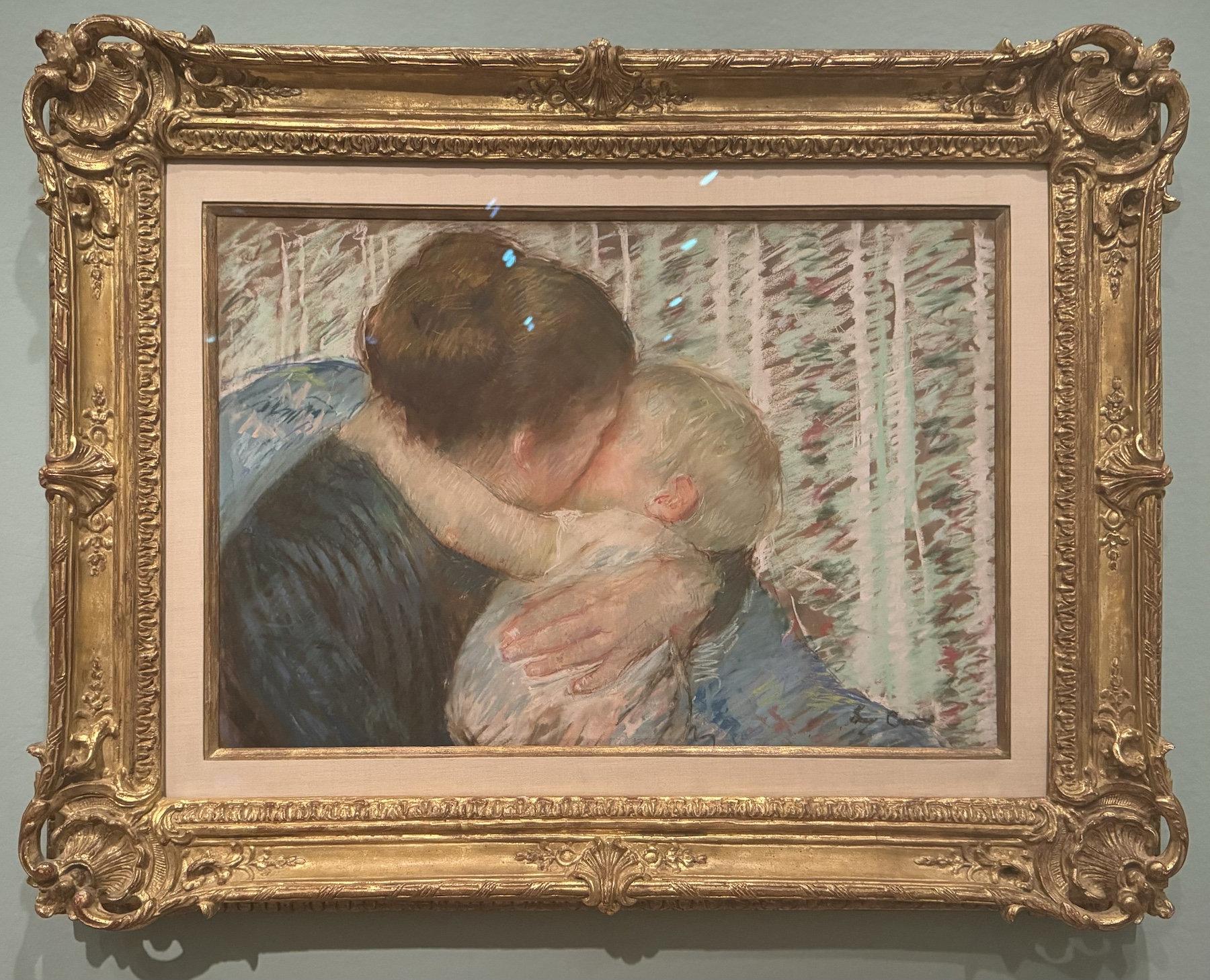

Two paintings from the show stood out for me. “A Goodnight Hug,” a pastel, is the best showcase of her skills. It is impressionist in style, with a penetrating sense of intimacy, but it is carefully designed to avoid cheap sentimentalism. The soft, curvy shapes of the mother and child contrast with the straight lines and scratchy, broken patterns in the background, making the piece visually intriguing. “In the Loge”, 1878, another a masterpiece in design, also offers an important perspective on female agency. It features the side view of an elegant woman at the opera. Dressed in black, she is intently scrutinizing the performance through opera glasses. The woman dominates the painting, but her attention is elsewhere. The light-colored balconies curve and extend to partition the background into big shapes. Tiny figures of audience serve almost as decorations, except for one man, who is looking at her through glasses. The painting depicts a woman in public, consciously aware of her surrounding, but decided to pursue her own interests, ignoring male gaze. Her face is delicate but determined. The poster-like composition has a modern simplicity that echoes the decisiveness of the subject.
While Cassatt presented herself as a serious and dedicated artist, committed to her craft and the pursuit of artistic excellence, Tamara de Lempicka is a more colorful image in the public eye. She embodied the spirit of the Roaring Twenties. Her “modern woman” is achieved not just through her art, but also her own life style, which mirrored the Art Deco aesthetic she became known for—sleek, luxurious, and bold.
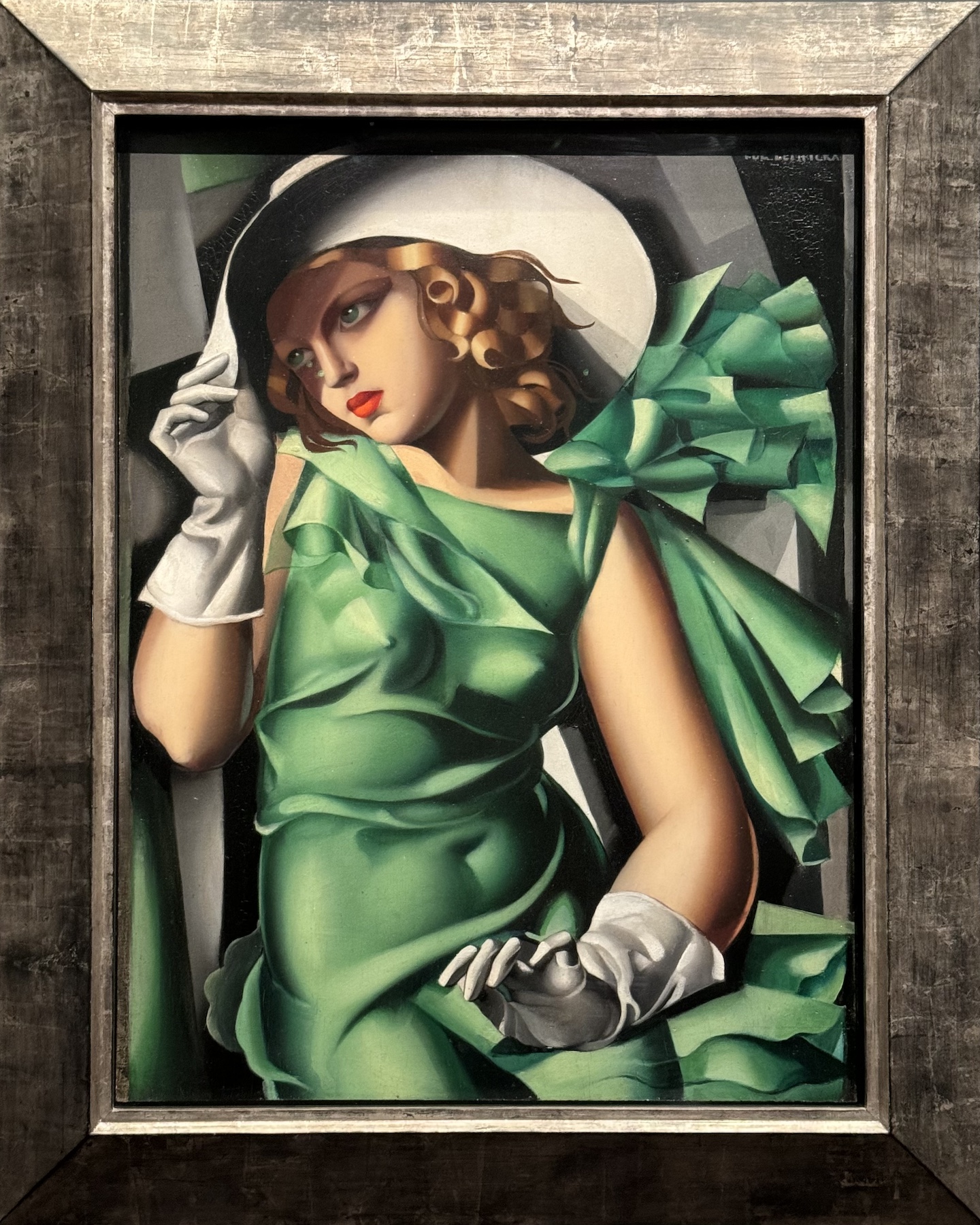
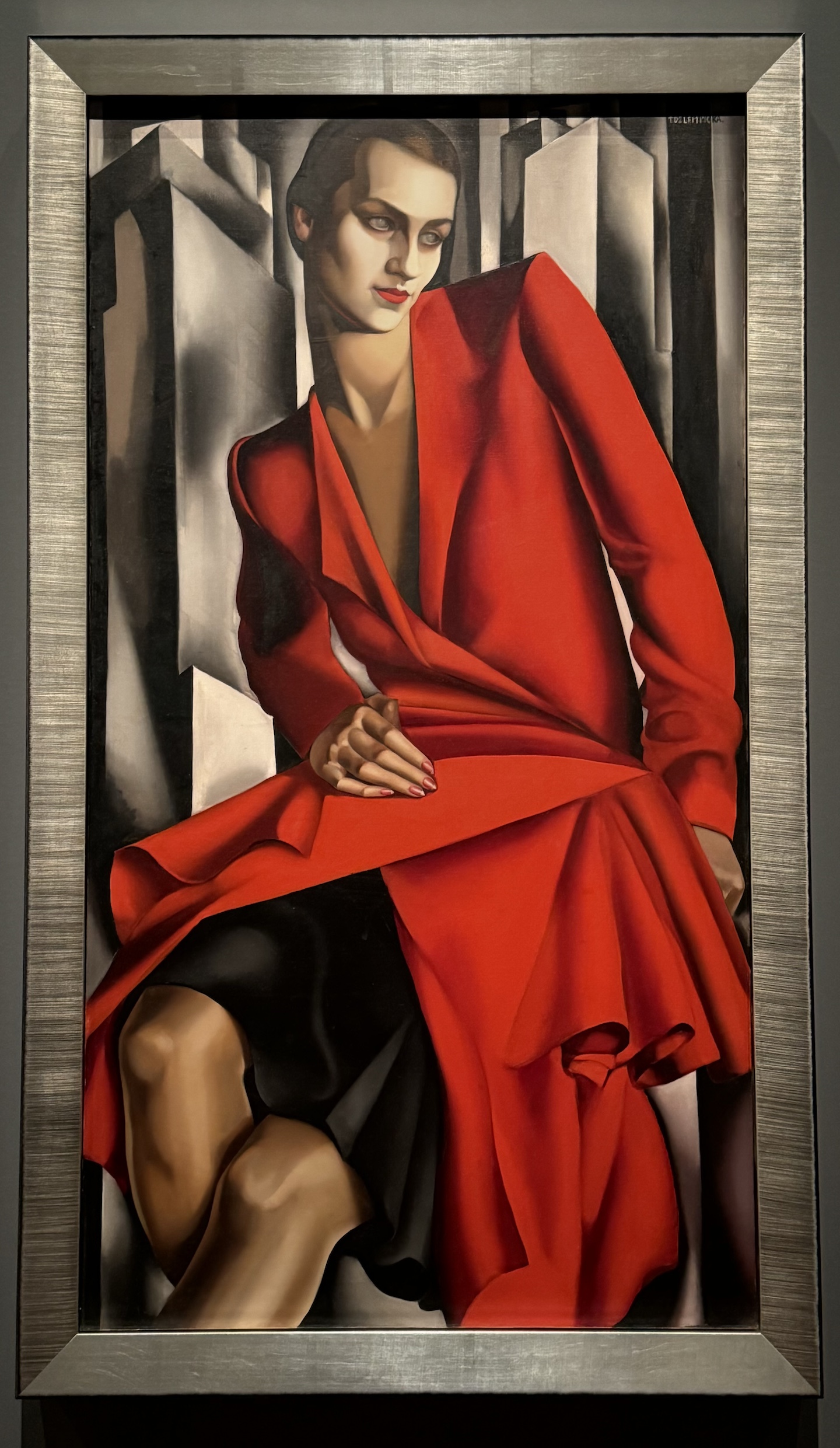
Born Maria Gorska in Warsaw, Poland, she later adopted the aristocratic title “de Lempicka” and crafted a persona as a glamorous, independent, and sexually liberated artist. She studied under André Lhote (1885-1962), the pioneer of synthetic cubism. Soon Lempicka surpassed her teacher and formed her distinctive style, the sensual and monumental forms of the Italian sculptures with the geometric aesthetics Futurism.
Lempicka’s early works were portraits of familiar people and humble still lifes, then she moved on to explore the sexual agency through female nudes. Her clothed figures, often members of high society dressed in the latest high fashion, are set against compressed skyscrapers in the background, reflecting the opulence and modernity of the time.


Lempicka embraced the role of the “artist as celebrity,” using her charisma and personal style to promote her work. She achieved considerable commercial success, with her paintings selling for high prices and attracting the attention of wealthy patrons. However, her popularity waned in the 1940s as artistic tastes shifted. Her 1941 show in San Francisco was an attempt to revive her popularity. It featured her paintings of people in distress due to the war, as well as some religious pieces. The artworks seemed contrived and inauthentic, and the review was mixed. Her later works saw a return to an overlooked subject – still lifes, with more polished skills. As the aesthetics moving on to an expressive display of brushstrokes, her high finish and renaissance invisibility fell out of fashion.
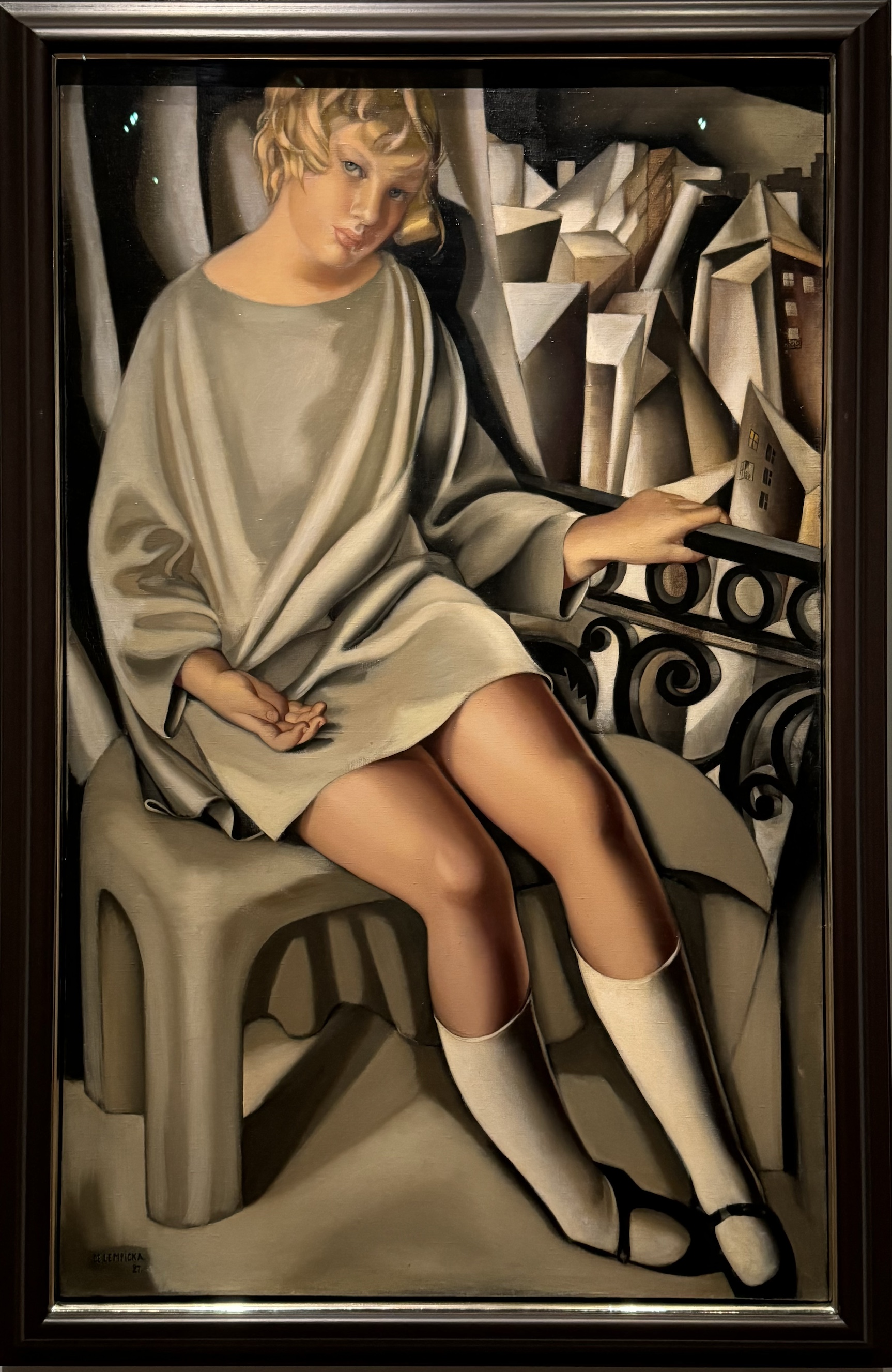
The paintings I like the most in the show are those where Lempicka used her daughter as the model, represented by “Kizette on the Balcony,” a piece that brought her first recognition. Unlike Cassatt, Lempicka married and had children, but she tried hard not to be seen as a mother. When “Kizette on the Balcony” was shown in Paris, it was simply titled “On the Balcony.” However, there is a sense of intimacy and sensitivity that makes this piece endearing. The young girl sitting on the balcony fills the plane, forms a diagonal relationship to the confines of the frame. This dynamism add liveliness to the painting. The smooth curvilinear shapes of the body set against the crowded sharp-edged geometric buildings in the background, symbolizing the contrast between childhood and the mature world. The girl’s presence is almost towering, and her expression inquisitive. There is wondering, but no hesitation.
Both artists presented modern women of their own time, albeit through different approaches and with different intentions. Cassatt’s pursuit of artistic excellence and her commitment to a more “appropriate” subject for a woman artist helped secure her status as a major figure in Impressionism. Lempicka’s approach to promoting her art through a glamorous life style may have hindered a more serious critical appraisal of her work. Cassatt presented herself as loyal to the practice of art. Lempicka chose to live through it. As an amateur artist living in a time with fewer restrictions for women, the exhibition begs the question of how a woman presents herself in a professional world and what one should prioritize as an artist – something I don’t often think about. Perhaps, this is one of the most enduring questions left behind by these shows.
 ZHI SU