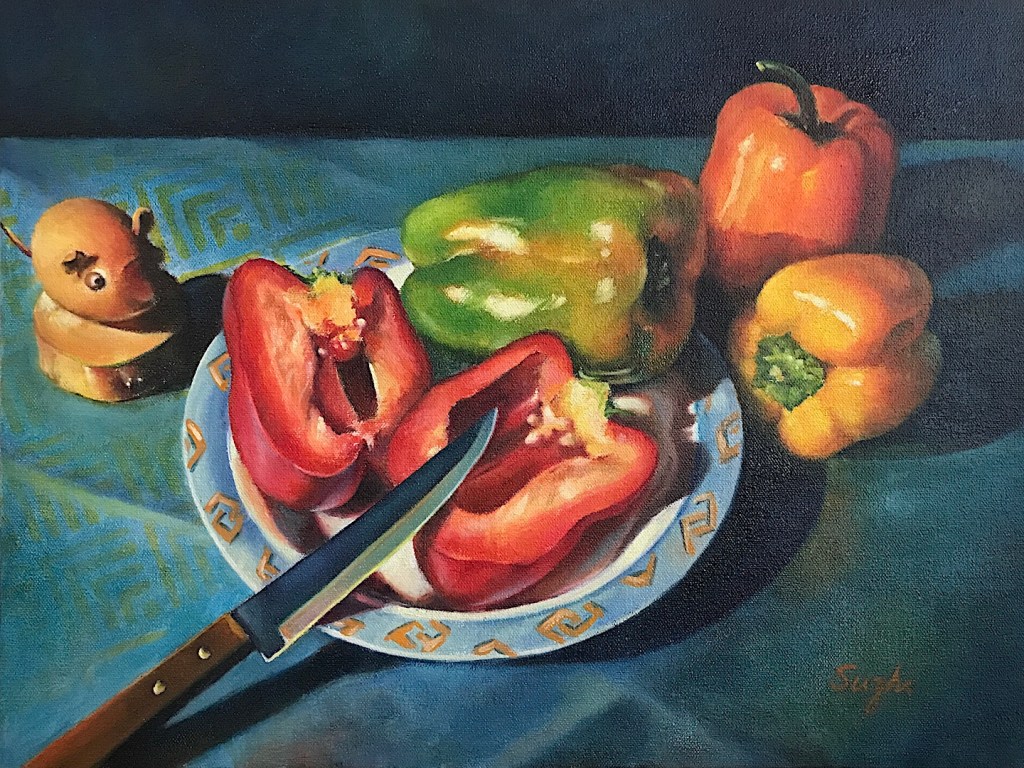
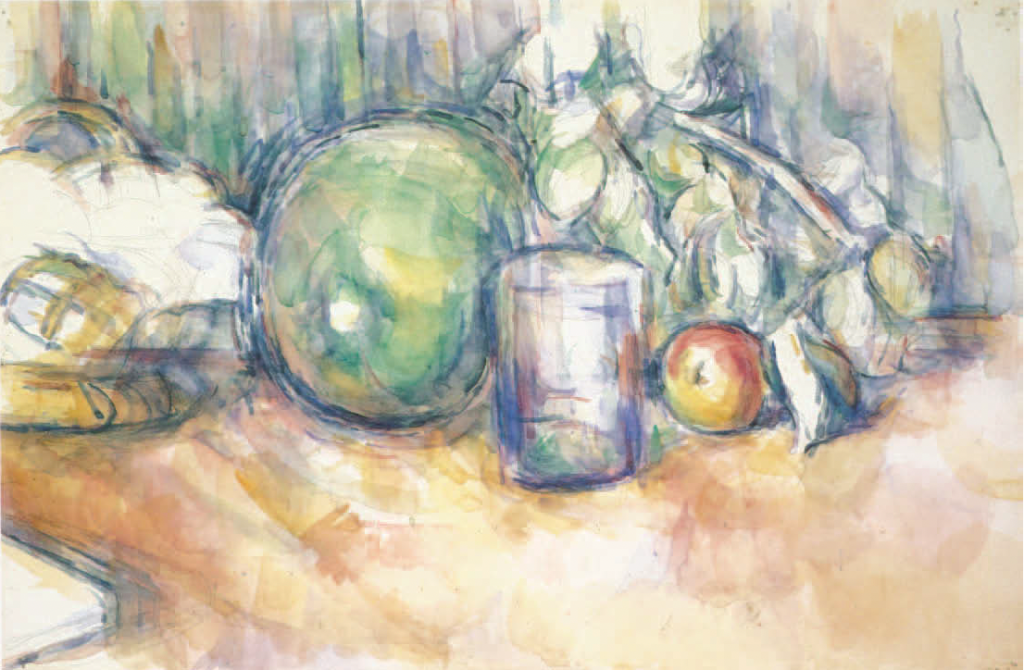
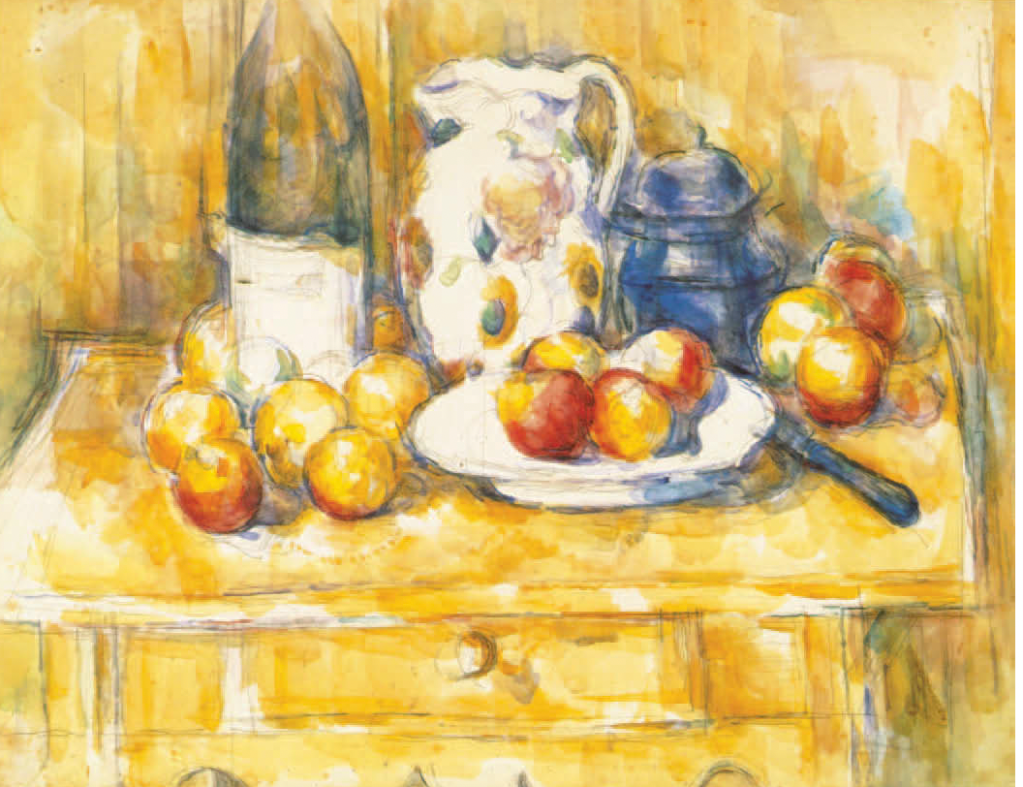
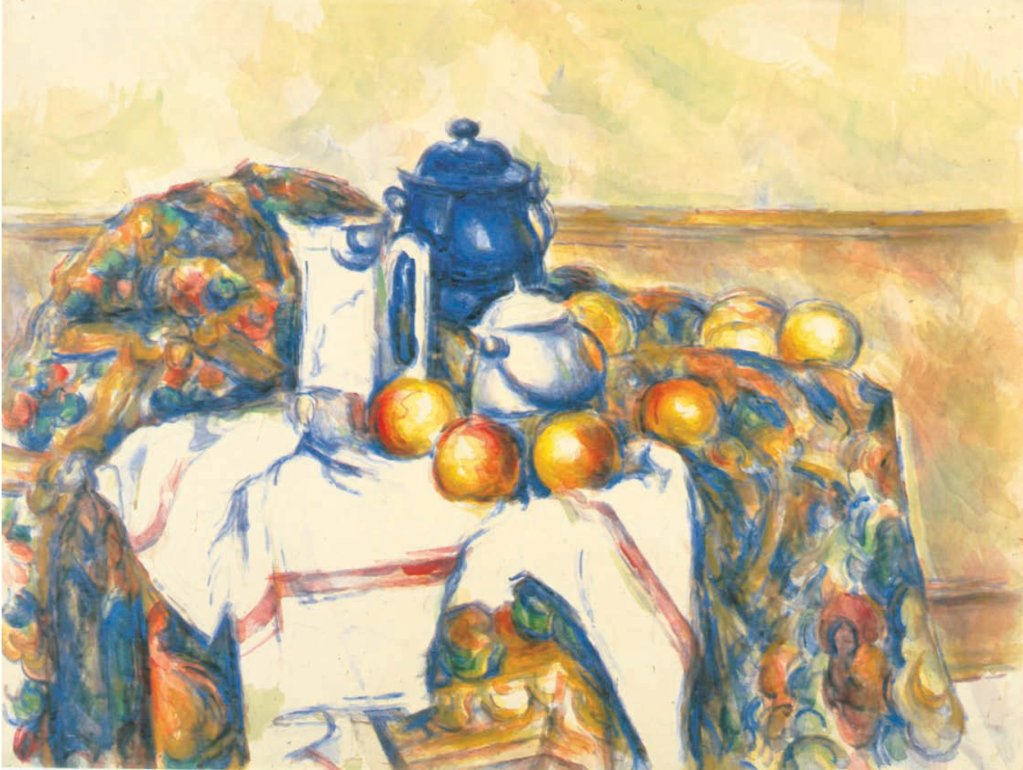
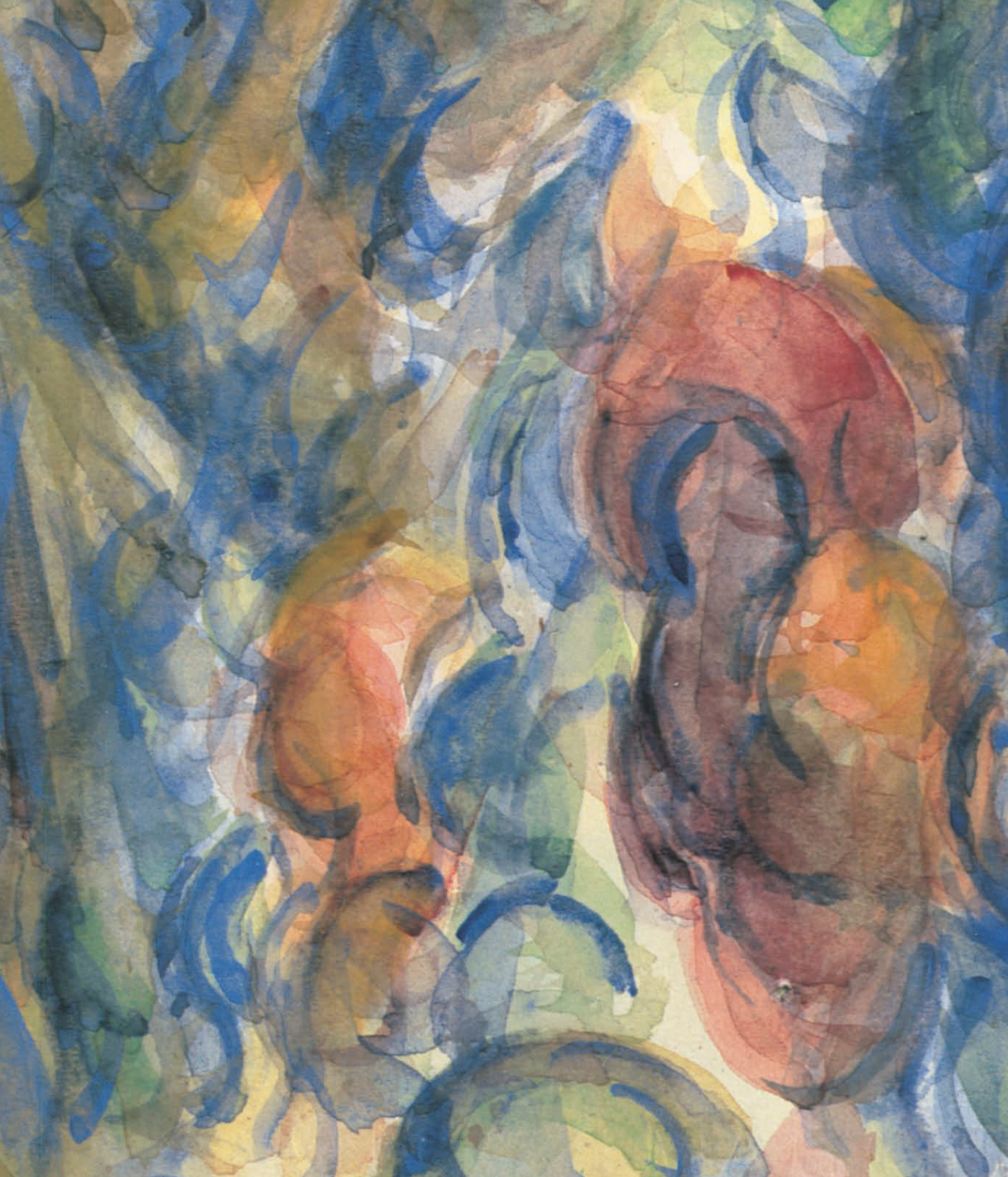
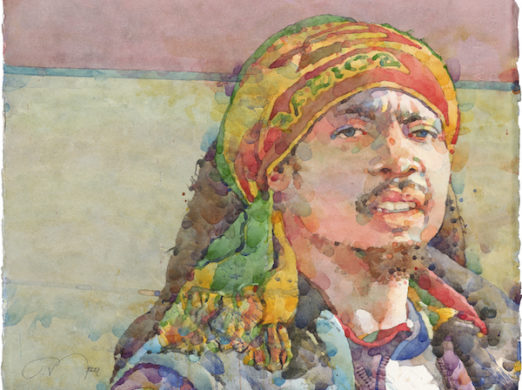
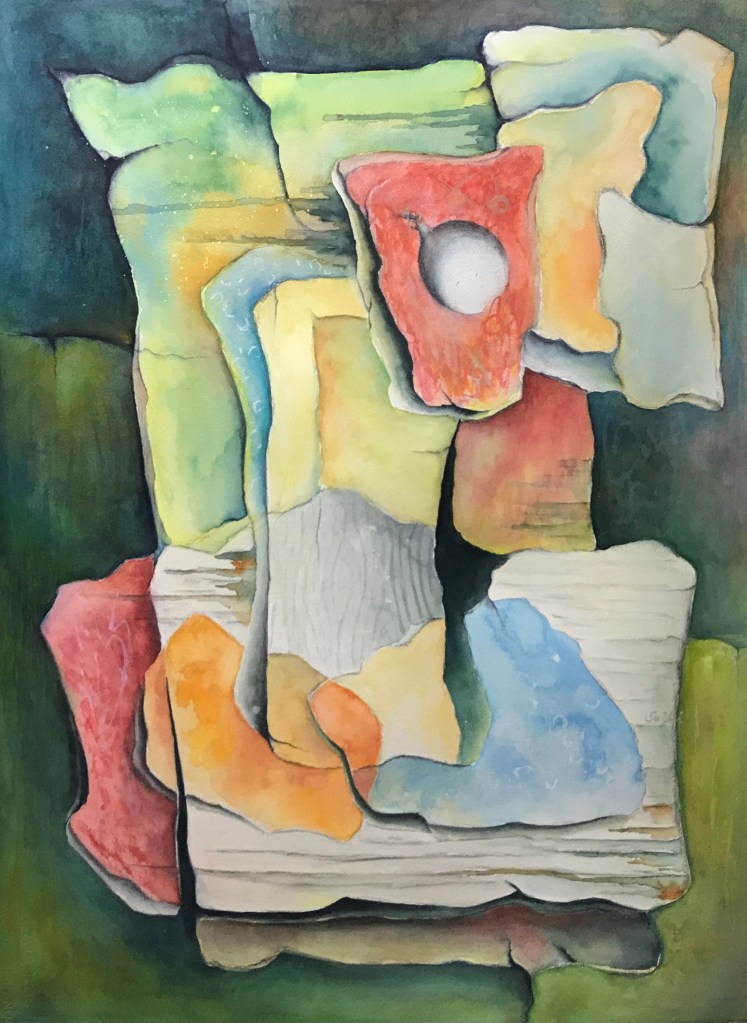
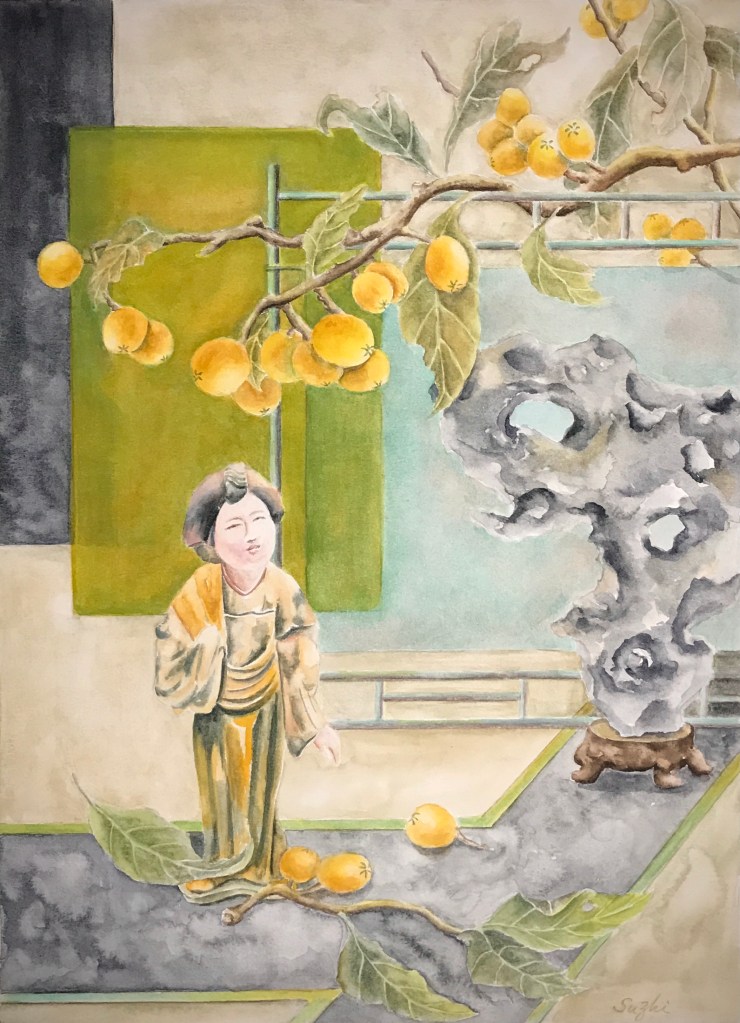
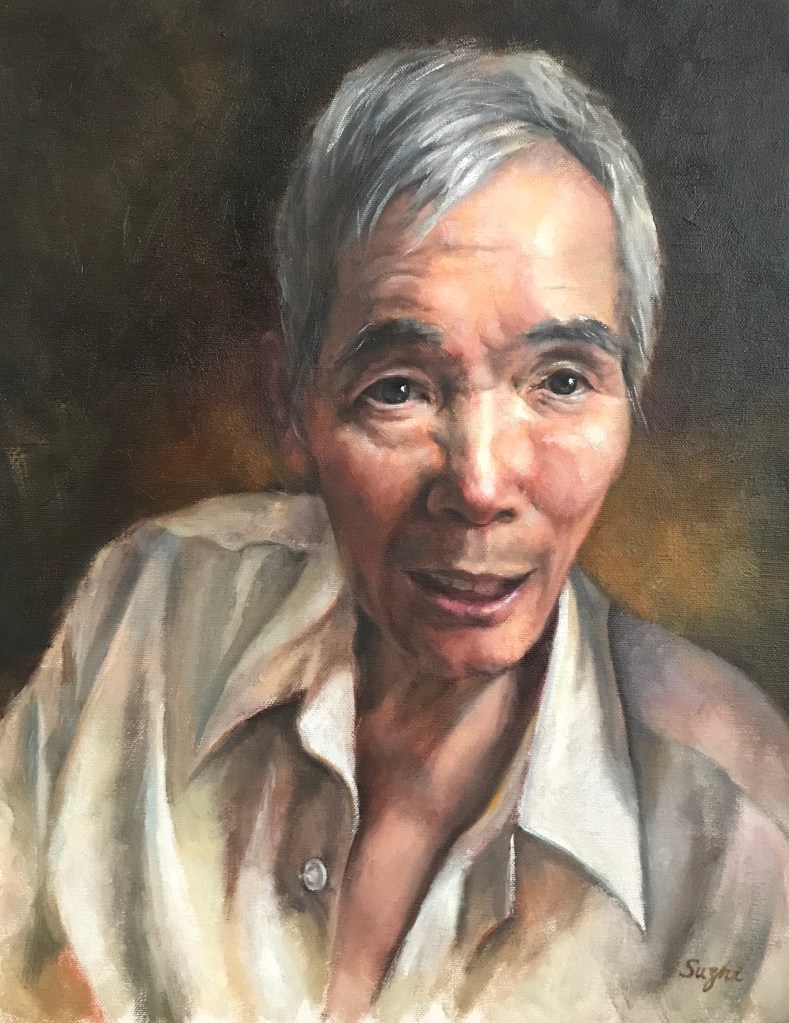
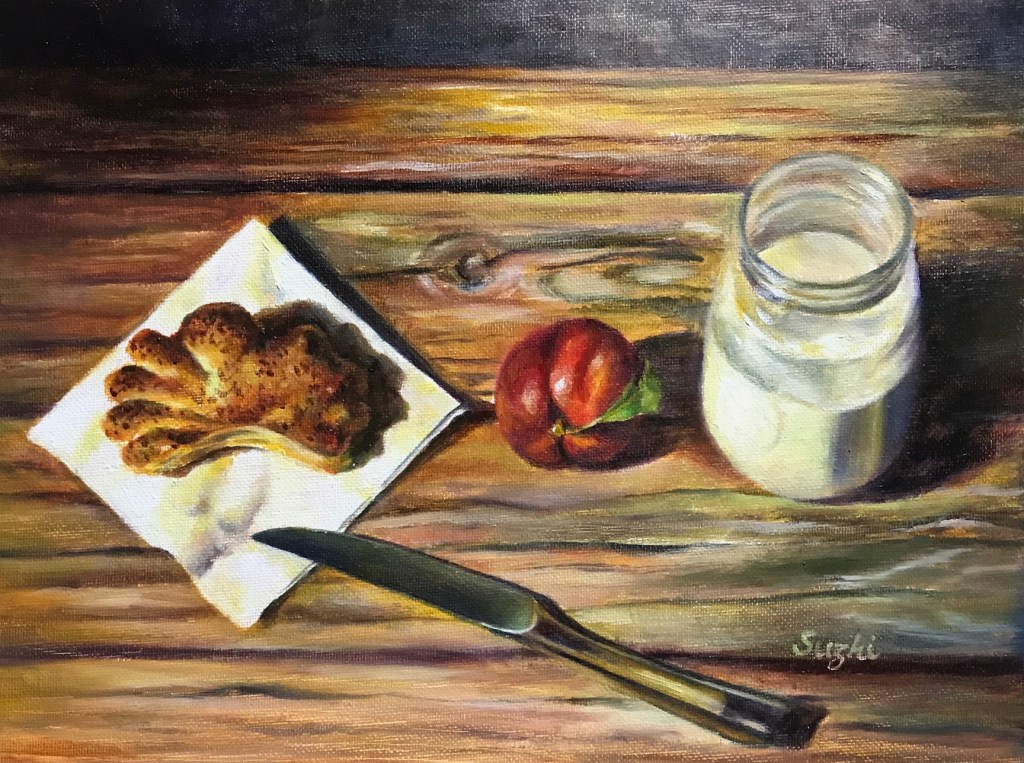
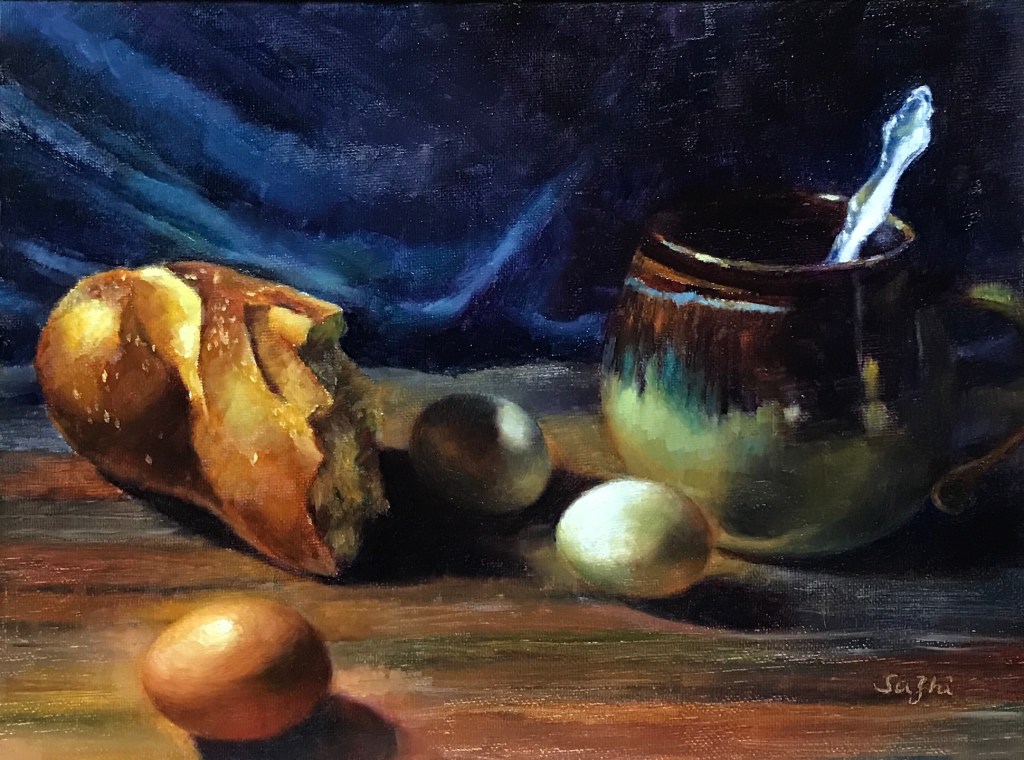
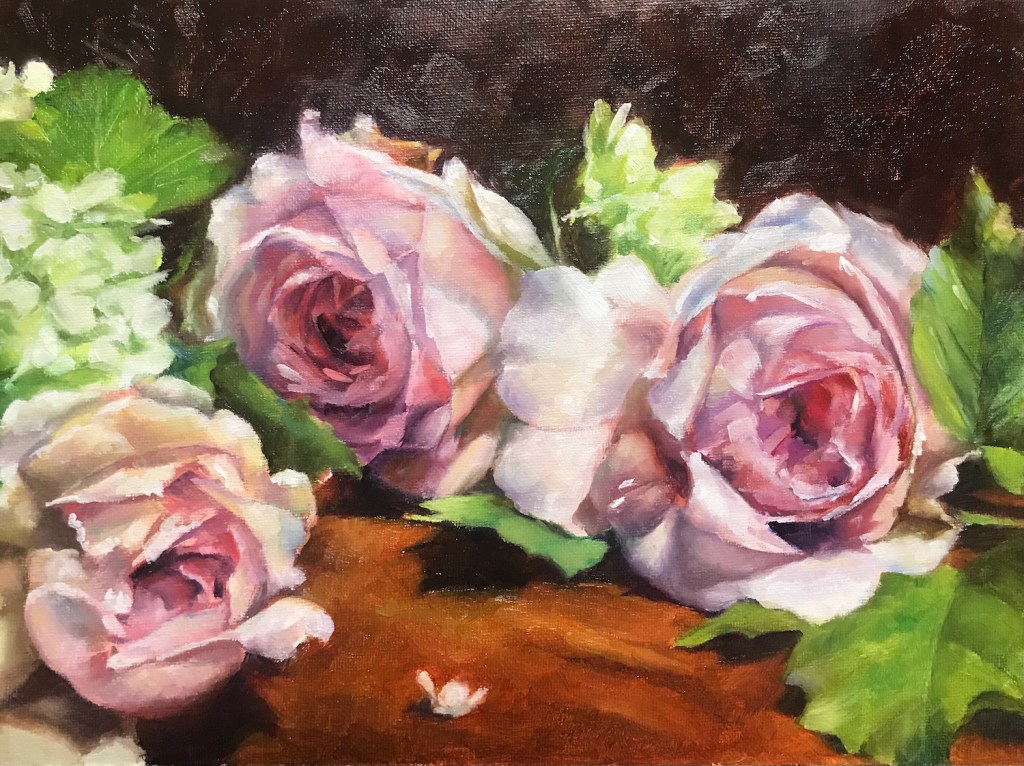
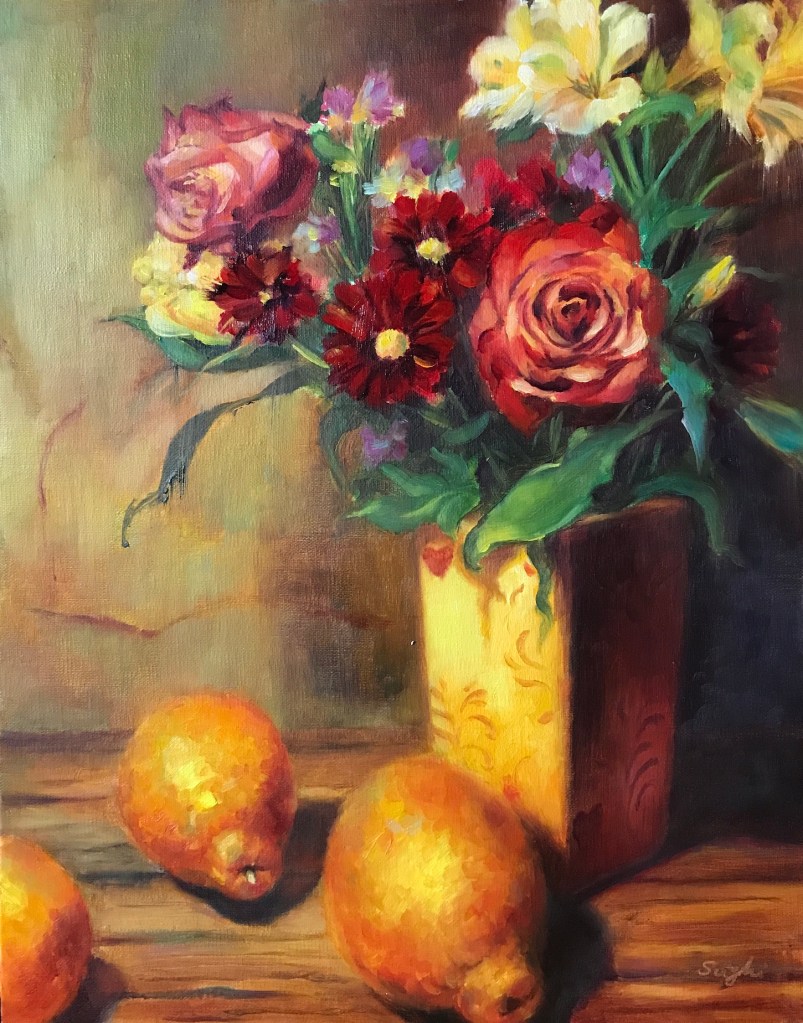
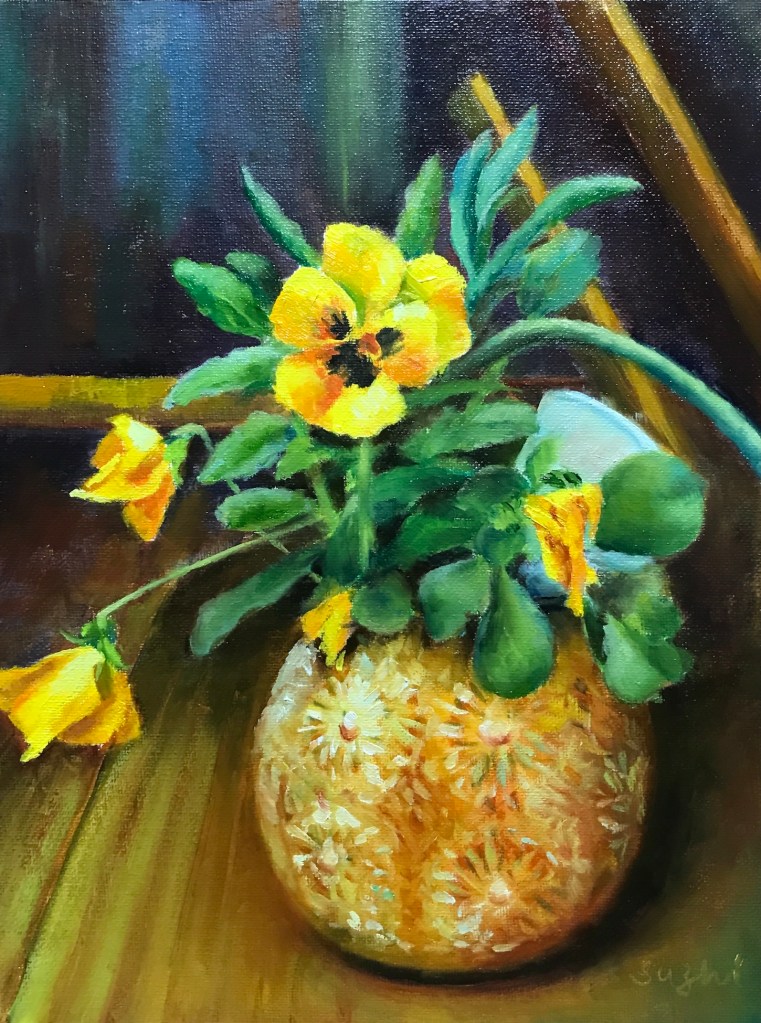
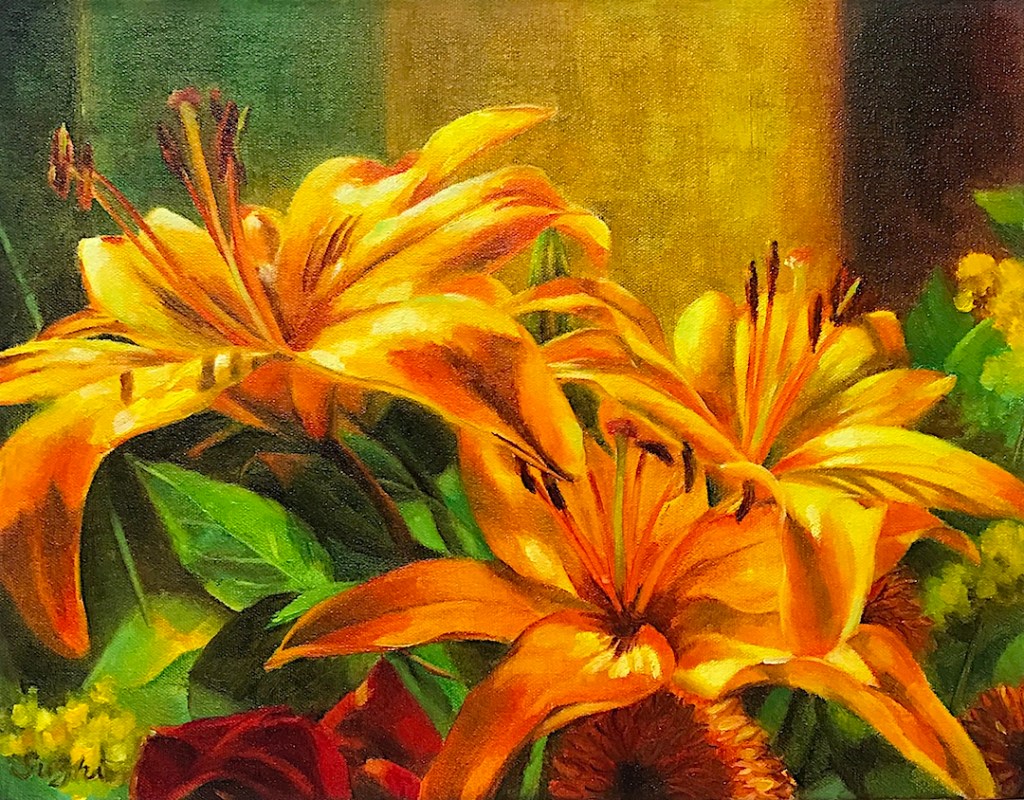
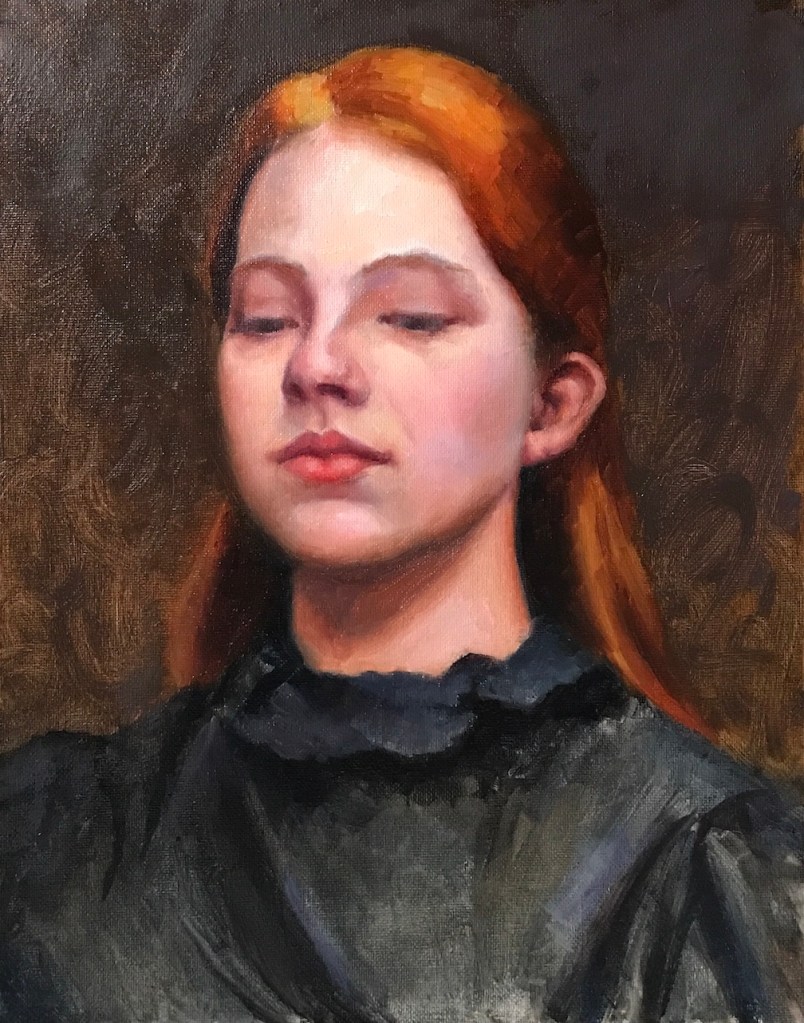
I don’t have much to say about these except that one of these is based on a MidJourney generated image :)))). Can you tell?


I don’t have much to say about these except that one of these is based on a MidJourney generated image :)))). Can you tell?
Among the books I read on Cézanne, two of them focuses on his watercolor. They are Cézanne in the Studio: Still Life in Watercolors by Carol Armstrong, and Cézanne’s Watercolors: Between Drawing and Painting by Matthew Simms.
The two watercolor books are a rich collection of the artist’s sketches, finished and unfinished works in the medium. Watercolor and gouache were often used by old masters as studies for a bigger oil piece, and it seems to the be case for Cézanne early on. However, later in his life, when his reputation began to be established, he increasingly make watercolors as independent works of art.
Cézanne’s watercolor is as unconventional as his oil paintings. The charcoal drawings, the white of the paper, and even the artist’s changing thought all become part of the composition. We see the draft, the negotiating and the final status on one page. This provides a unique window into the artist’s painting and the thinking process.


Unlike J. M. W. Turner (1775 – 1851) and other watercolorists, Cézanne adopts a touch by touch and color by color method. He layers translucent patches with gestural brushwork, resulting in a vibrant and casual overall appearance, with fragmentary and kaleidoscopic details. However, the actual process was deliberate and labor-intensive.


Contemporary figurative artist Ted Nuttall also employs transparent patches of colors to create energetic and vibrant paintings. While both artists are deliberate in their approach, Nuttall’s use of dots helps complete the painting, whereas Cézanne’s colors, used as lines, remain exploratory.

On a side note, for those interested, Cézanne uses a limited palette, as revealed by this nerdy study: “An Investigation of Paul Cézanne’s Watercolors With Emphasis on Emerald Green.”
Here are the group shows I participated recently:
“Works on Paper” exhibition, currently on view at the Pacific Art League:

Santa Clara Valley Watercolor Society 55th Annual Member’s Exhibition:

“Portrait” Art Competition at Art Room Gallery:


A few notes:
In an attempt to understand more about my “art parent,” (a term borrowed from the Draftsmen Podcast Season 1 Episode 5 YouTube), I recently did some some reading on Cézanne (1839 -1906). The two books by Alex Danchev, Cézanne : A Life, and The Letters of Paul Cézanne (edited and translated) are the most insightful to me.
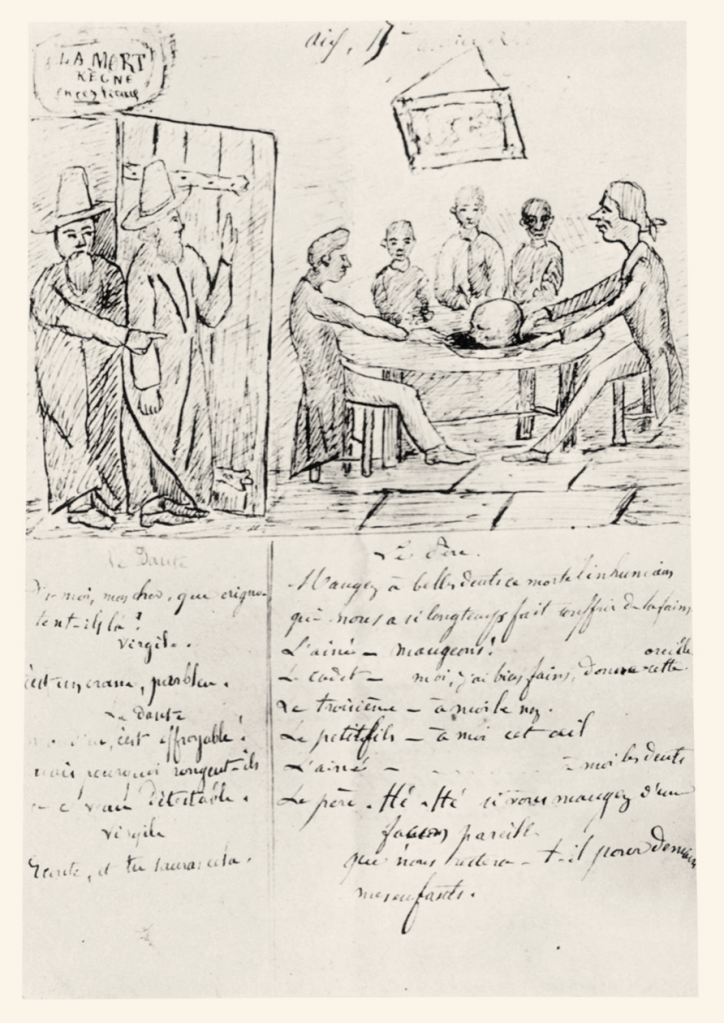
Instead of adhering to a chronological account of the artist’s life, Danchev seems more focused on contextualizing how Cézanne became the artist he was. The wealth of details in the book are well-constructed to provide a comprehensive understanding of the circumstances surrounding Cézanne, his self-perception, and the influence of the artistic community and environment on Cézanne’s paintings. The collection of letters not only serves as a valuable supplement to the biography, but also offers a glimpse into the artist’s penmanship doodles.
Two thoughts comes out of my reading:
First, Cézanne lived the ideal life of an artist. This is not to say he lived an ideal life, far from it, but the all the elements, good or bad, all line up working for him. Cézanne was from a wealthy middle-class background. Despite his family’s lack of support for his artistic pursuits, he was never deprived of financial resources, thanks in part to an inheritance from his father’s passing. Not formally trained as a draftsman, Cézanne was well-educated and immersed in a cultured and intellectual environment. He was a devotee of poetry, from Virgil to Baudelaire, and had a lifelong interest in writers such as Flaubert and Balzac. He may have been a loner in personality, but he managed a marriage and a son. He also was in close contact with devoted friends such as Zola and Pissarro. Despite lacking mainstream recognition for much of his life, Cezanne was always highly valued and admired by fellow artists like Renoir and Monet. Throughout his life, Cezanne faced enough challenges to maintain his edge, while being comfortable enough to never compromise his artistic beliefs and practices.

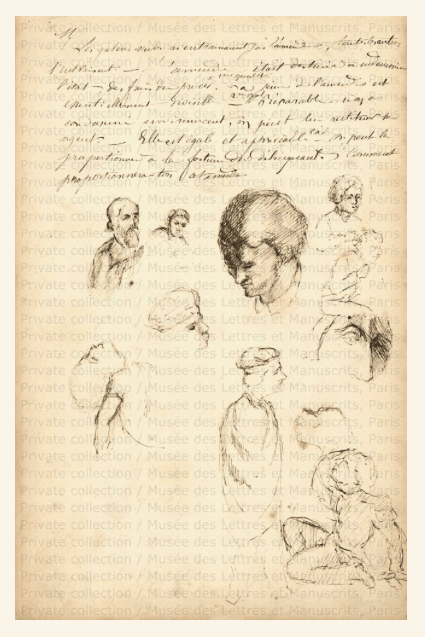
Secondly, Cézanne was a pure painter. A glance at his sketchbook and the doodles in his letters reveal that he was not an exceptional draftsman, mediocre at best. I once held the view that one must posses strong drawing skills to excel in painting. Cézanne did lament later in his life that he never “had a master” [meaning the traditional apprenticeship]. However, it seems this lack of training did not hinder him from cultivating sophisticated painting skills. Perhaps this was achieved through diligent and mindful practice, or perhaps it even shaped his unique style.

“Taste is the best judge. It is rare. Art speaks only to an excessively small group of people.
The artist should scorn all opinion not based on the intelligent observation of character. He should be wary of the mind of the litterateur, who so often diverts the painter from his true path, the concrete study of nature, to waste too much time in abstract speculation.
The Louvre is a good book to consult , but it should be only a means. The real, prodigious study to undertake is the diversity of the scene offered by nature.” – Cezanne (Letter to Emil Bernard, 12 May 1904)
I don’t know what to say with these “findings,” especially if they are applicable to us mortals in any sense. After all, as Danchev put it, “He is painting. This is it.” (Cézanne : A Life, p337)
Apart from studies, Emile Zola’s fiction The Masterpiece is both an interesting and relevant reading about Cézanne. The main character Claude Lantier, a revolutionary but ultimately failed artist, is based on Cézanne, while his writer friend, Sandoz, is Zola himself. In the story, the artist lost his son, and eventually hangs himself. Many details about the two friends are believed to be biographical, and the portrayal of the Parisian cultural scene is also quite accurate. However, the novel seems to end the long standing friendship between Zola and Cézanne. No more communication was found between the two ever after.
As promised, eggs and jars and some more:


A few notes:
Late 2022 I started a few personal projects that were build upon whatever I learned at Watts. The plan was to start with some small paintings of florals, eggs, jars etc., and gradually grow into bigger more complicated arrangements.
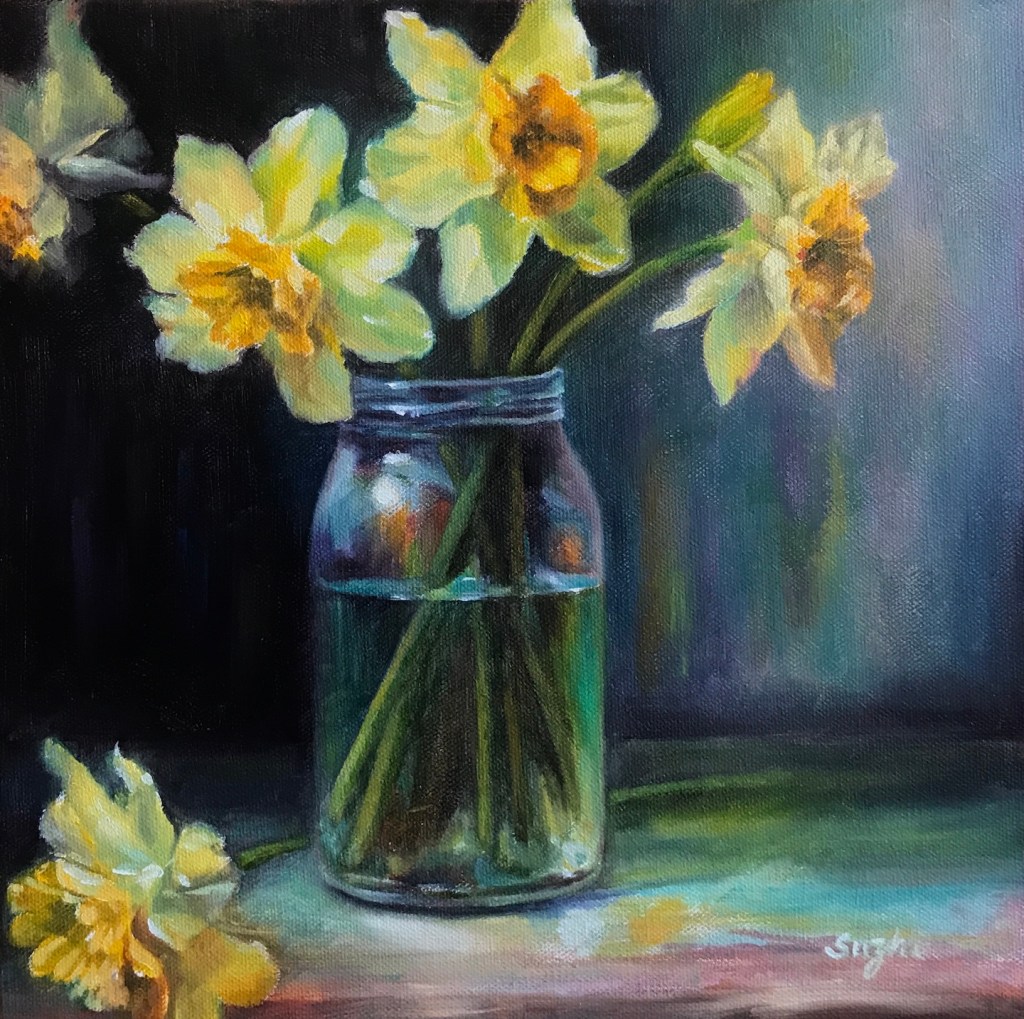
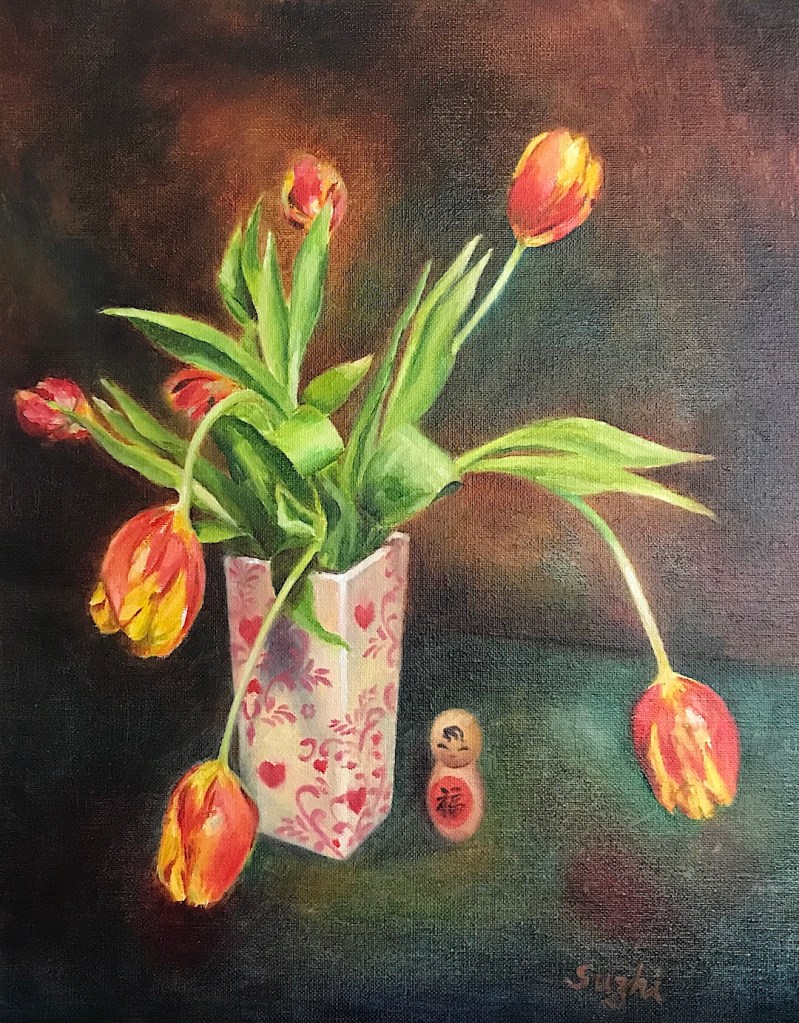
I am happy to report that for the most part, I have been on schedule. Here are the florals I have done so far, and I hope they are proper celebration for the New Year and the Spring Festival:


Stay tuned for the eggs and jars! 🙂
In early 2021, I audited an online workshop by artist Joseph Todorovitch (see a brief description here). At the time I felt the content was too advanced for me. It may still be. It came to my knowledge recently that the artist had a more fundamental series in 2020 called “Painting the Portrait with Ease.” It is a nearly 9 hours video series featuring step by step painting of the portrait of Abby. You can buy or rent (for 48 hours) from Vimeo.
It is more fundamental because the portrait involves no complex background and clothing, and the palette is limited (not as monochromatic as it seems though). The “ease” part comes from the artist’s clear explanation of his choices and thought process. If you are looking for shortcuts circumventing learning and practices, there’s none. In fact the artist’s approach is quite meticulous and laborious. He shows no hesitation in scraping off the “finished” part of a painting and going at it again. While there are plenty basic information on portrait painting for a student, the process he used is the same for completing advanced works. This is a series that deserves revisit from time to time.
Here’s the painting I did while following along the series:

Another young artist I took lessons from recently is Alex J. Venezia. The lessons are a 12 hours video recording from East Oaks Studio, featuring also the portrait of a young woman. Mr. Venezia used a layered approach, and the videos were recorded over weeks. If you want to follow through, you need to be patient and let the paint dry in between. The artist is also extremely particular about the subtle changes of value and color in his paint. I feel like I need a better habit of organizing my palette and more practice in mixing colors to make the best out of these lessons. The painting I did during this series is a not a step by step following along and is abandoned halfway. I do plan to revisit the lessons in future:

A few more words on East Oaks Studio: While you do need a subscription to access the above mentioned videos and many other recorded and live lessons, East Oaks has plenty free content posted on their YouTube channel. They feature quite some established working artists. It’s a rich resource that takes time to digest.
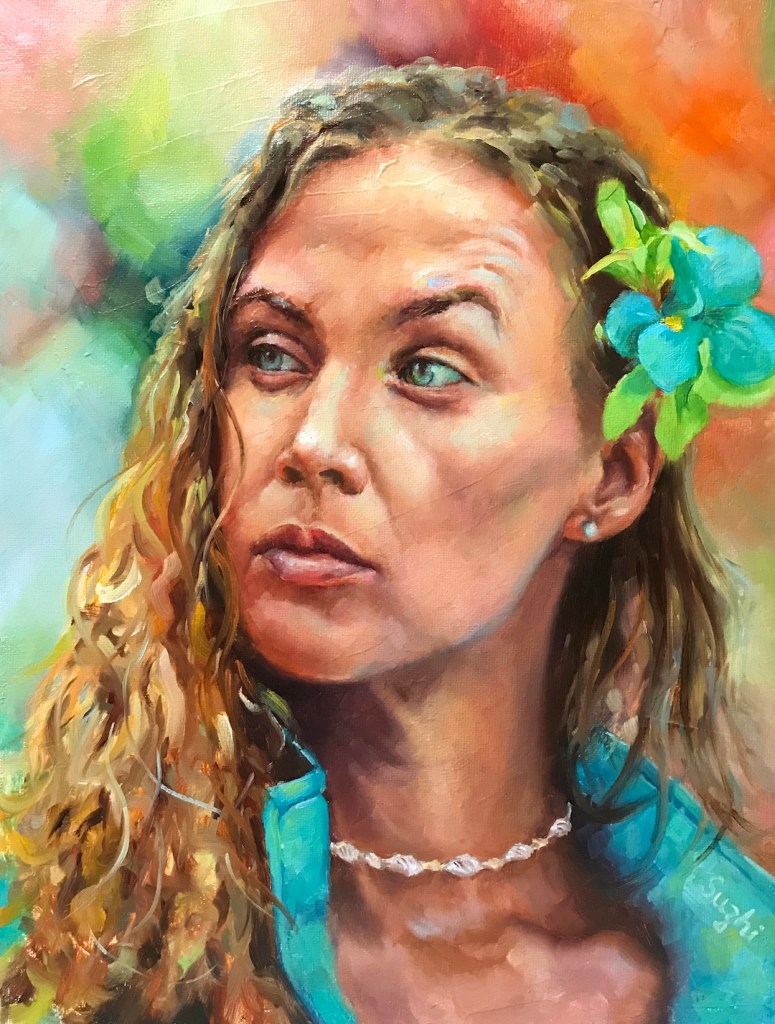
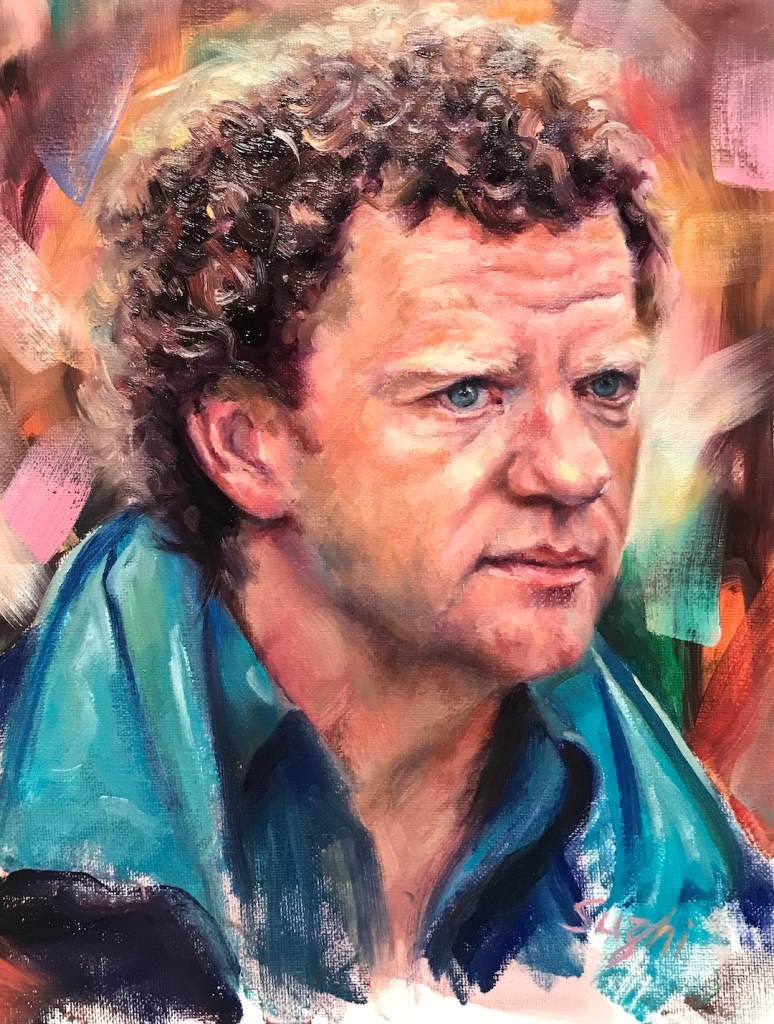
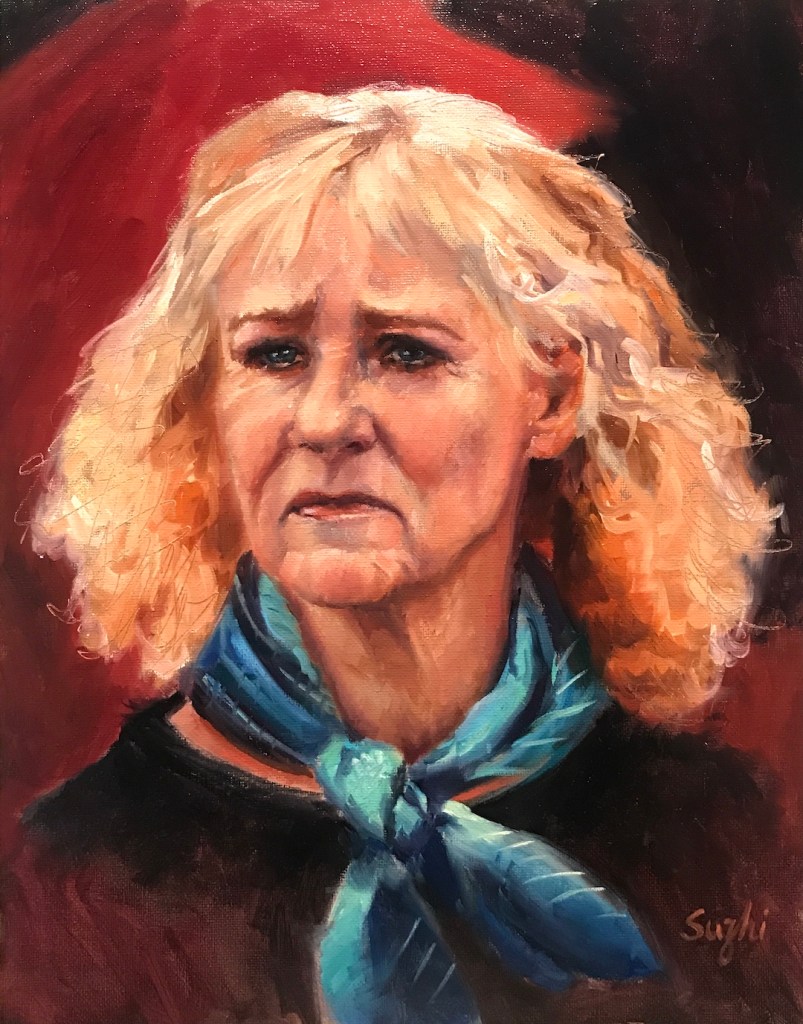
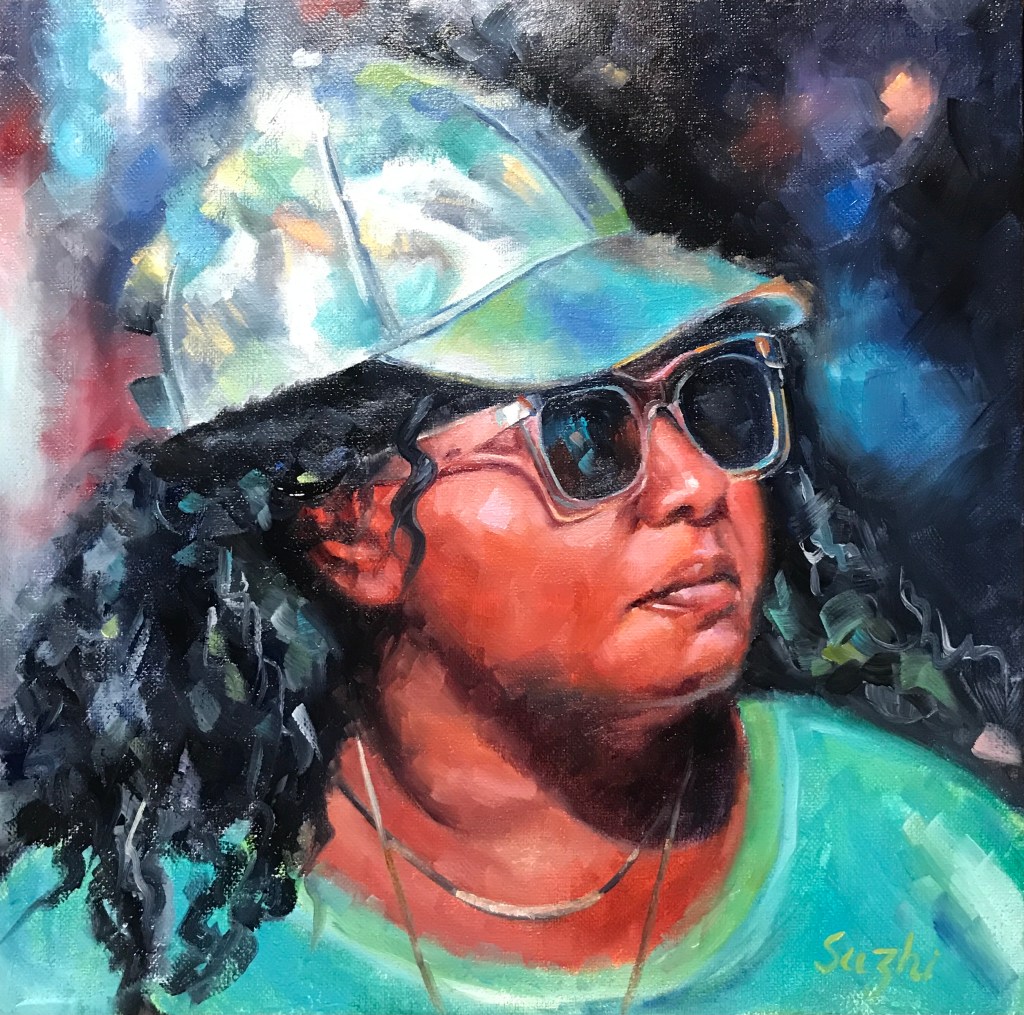
If you are interested in portrait art, you’ve probably heard of “earthsworld” – a photographer that took Candid photographs of Americans at county fairs. Over the years, I have multiple artists recommended this photographer to me. Take a look at the website or the Instagram account and you’ll know why this is such a rich resource for portrait painter, character designer and people watcher. To me, it opens up a side of America that beyond my natural habitat.
I picked a few photos from the collection as references to practice portrait painting, and only to notice that the ones I chose all features a touch of bluish green. Hence the title of my small series – “Turquoise in Earth’s World:”


A few notes:
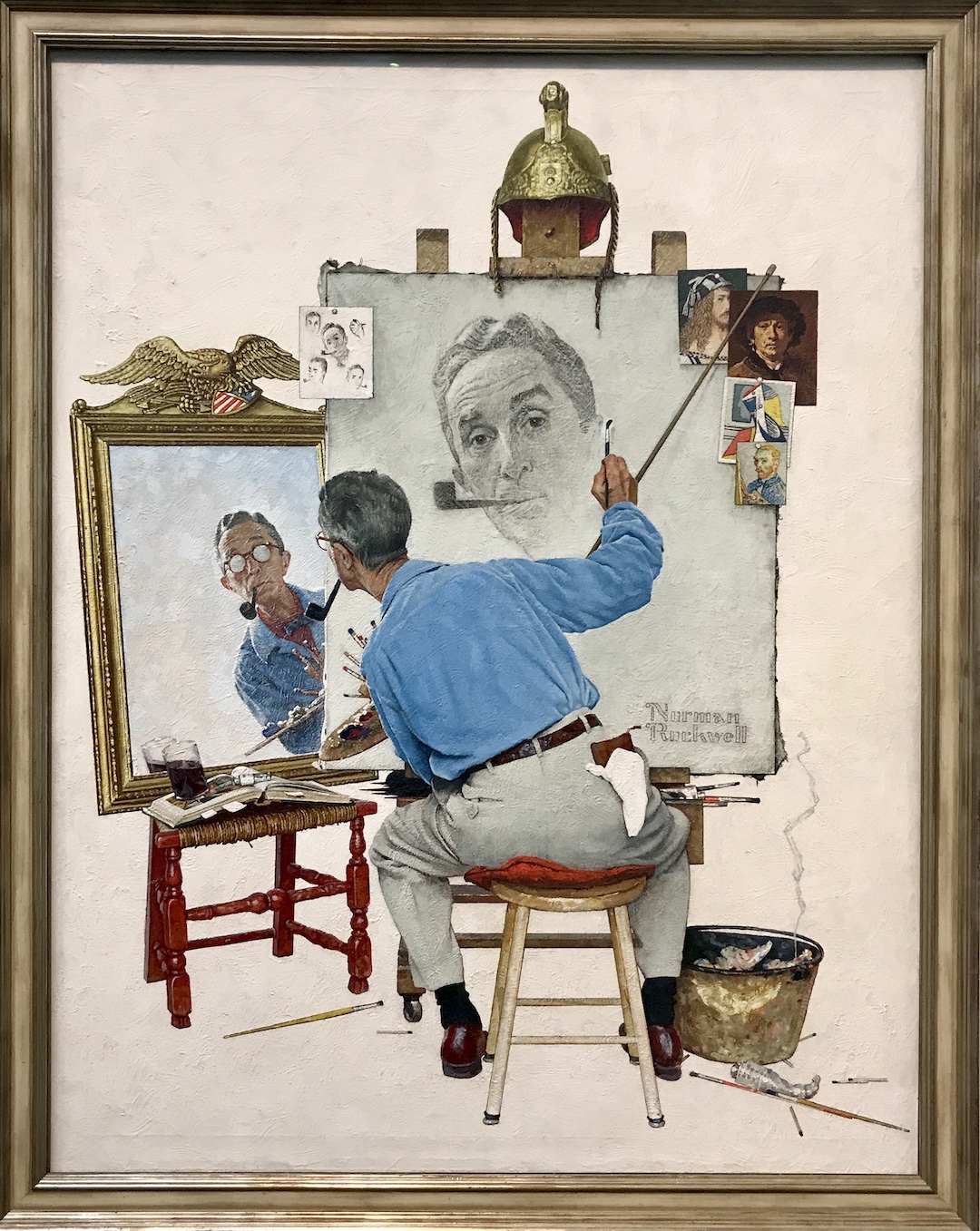
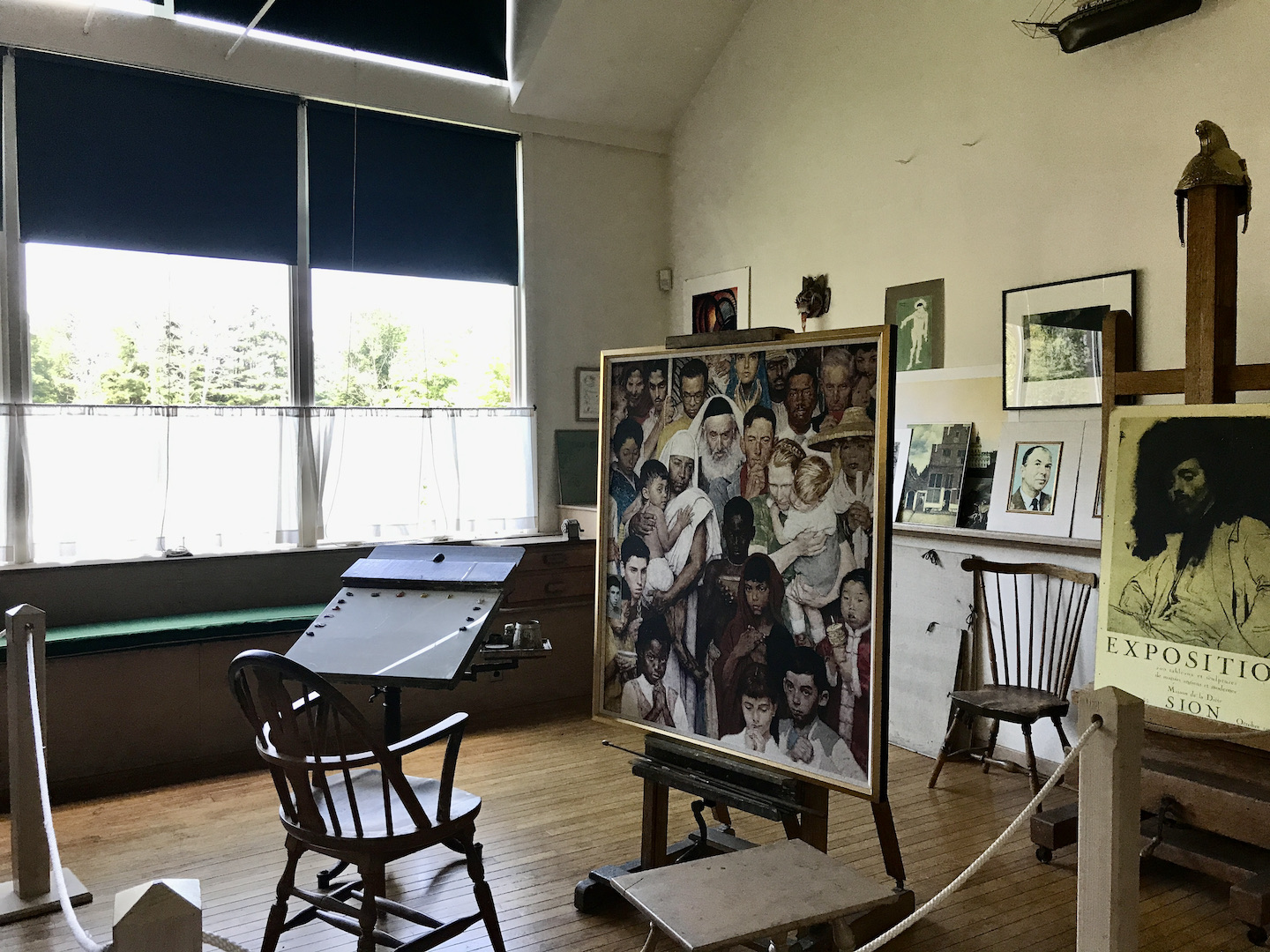
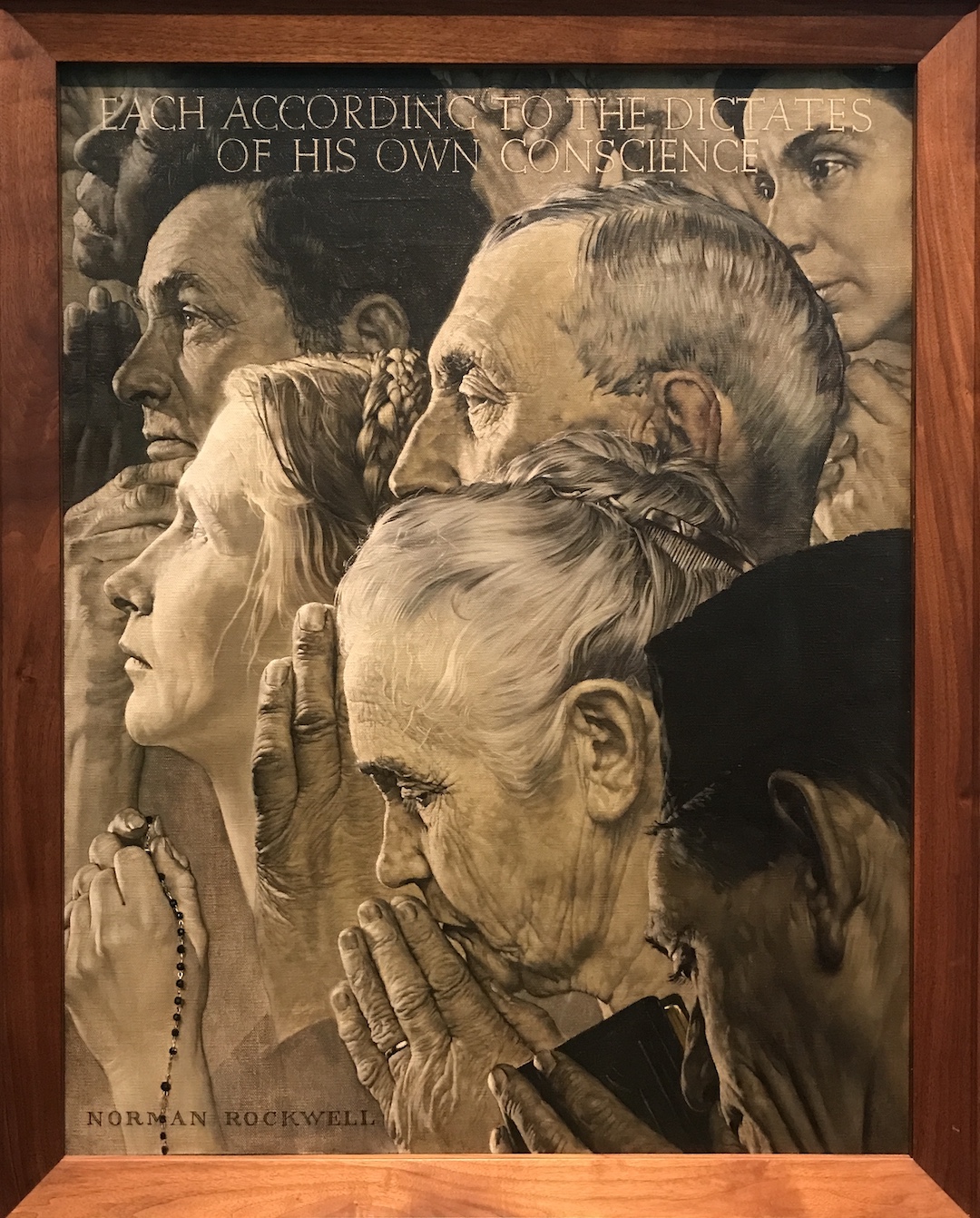
It’s been a while since I visited any museums and this summer while traveling from Boston to Ithaca, I accidentally found out that the Norman Rockwell Museum was on the way. What a delightful discovery! It was a tiny unassuming white building resting on a scenic site overlooking the Housatonic River Valley. The main exhibition features some of the most famous illustrations and paintings by the renowned artist. All the covers he made for the Saturday Evening Post – from 1916 to 1963, 323 in total – are on display at a lower level. His last studio in Stockbridge was also moved to the museum site in the 80s and guided tours are offered.


The museum also hosts other illustration related exhibitions, and virtual exhibitions on their website.
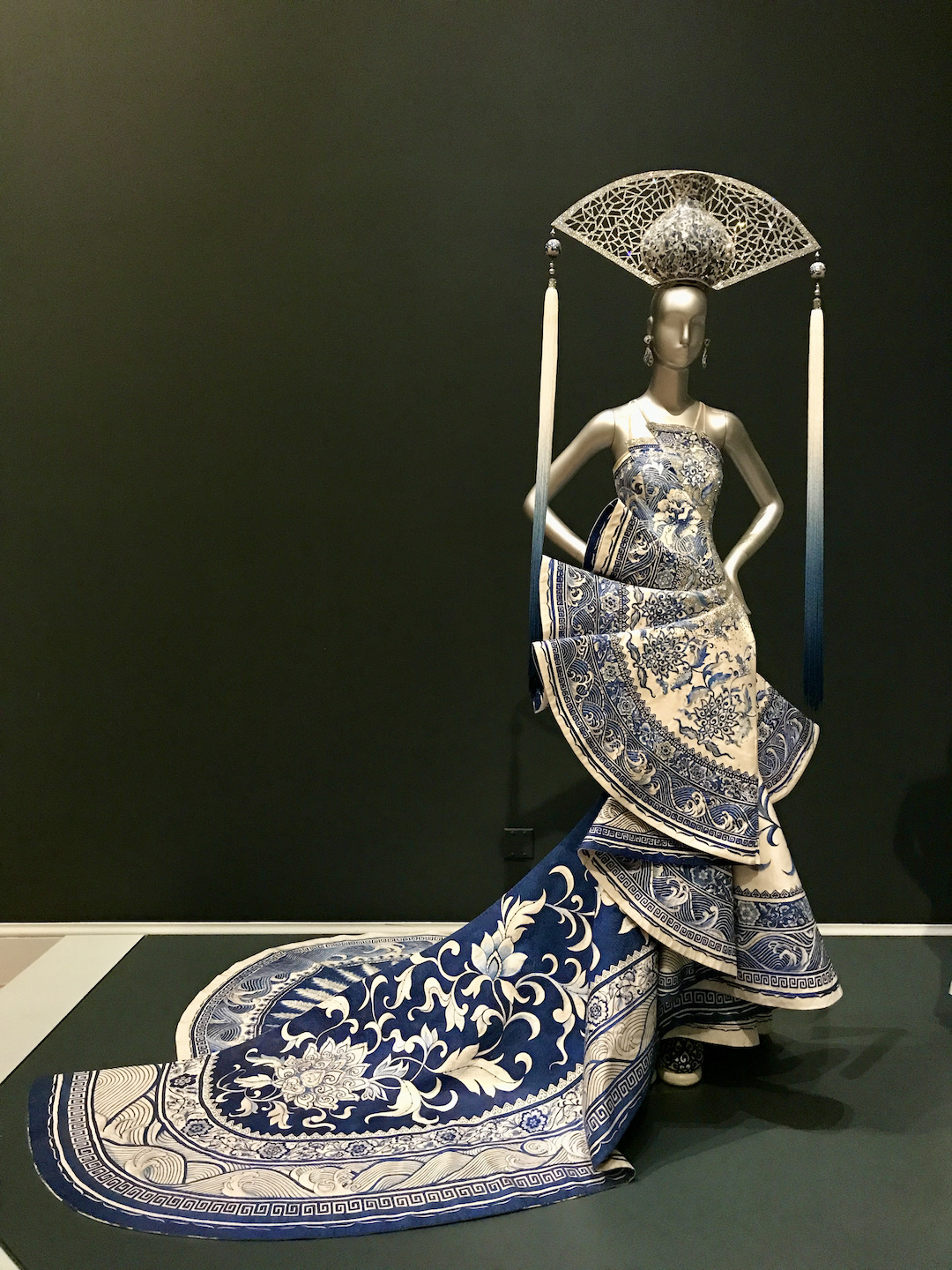
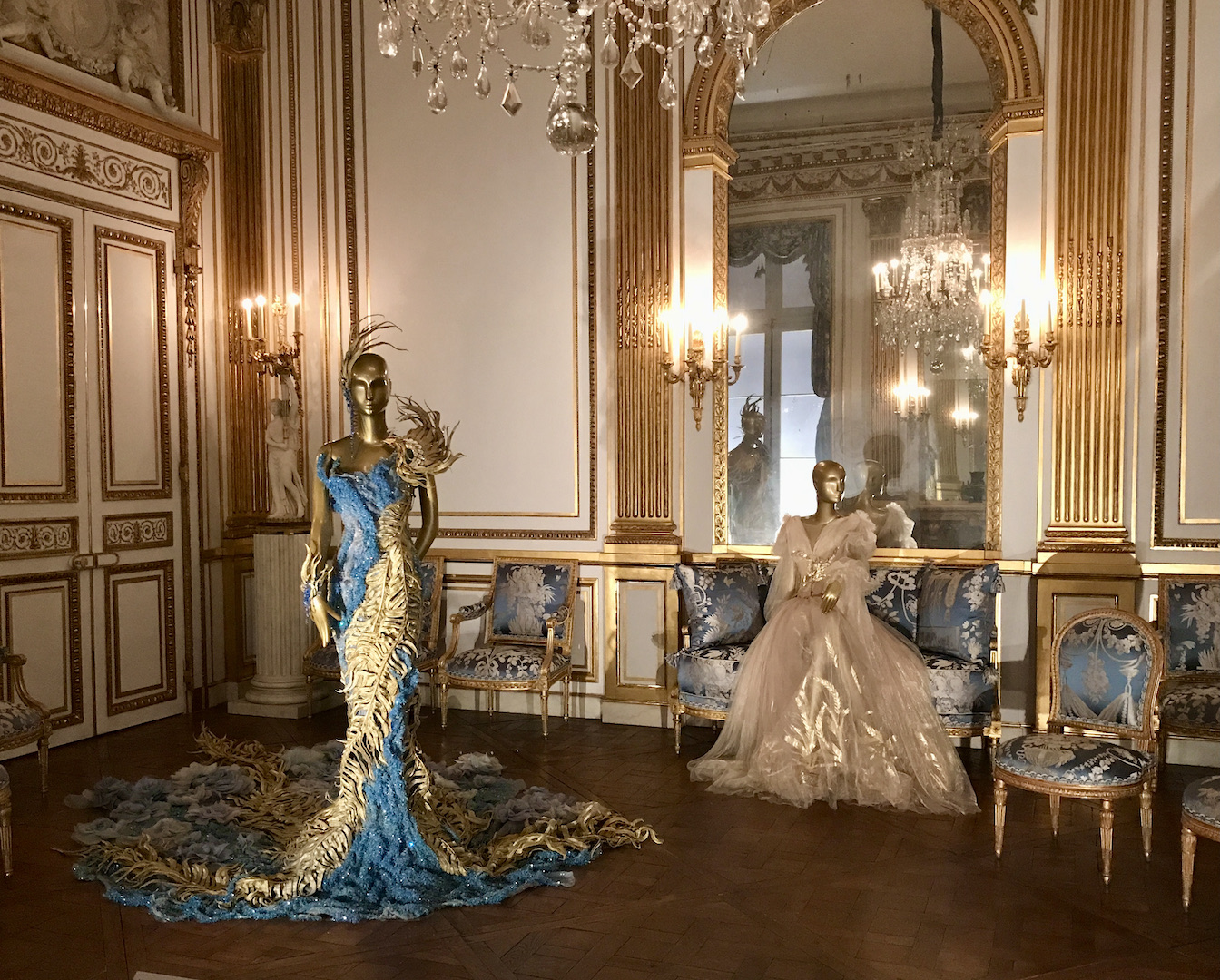
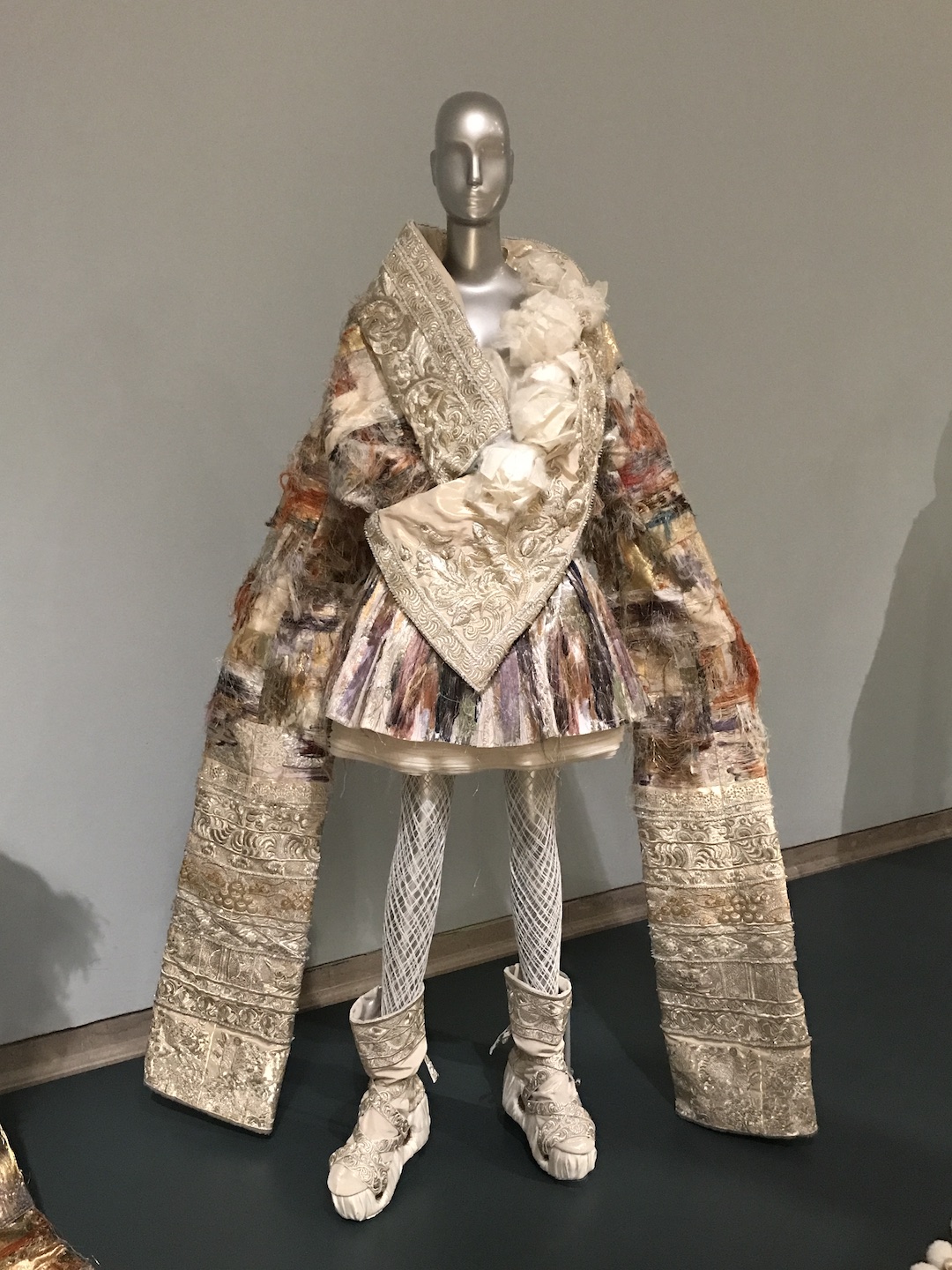
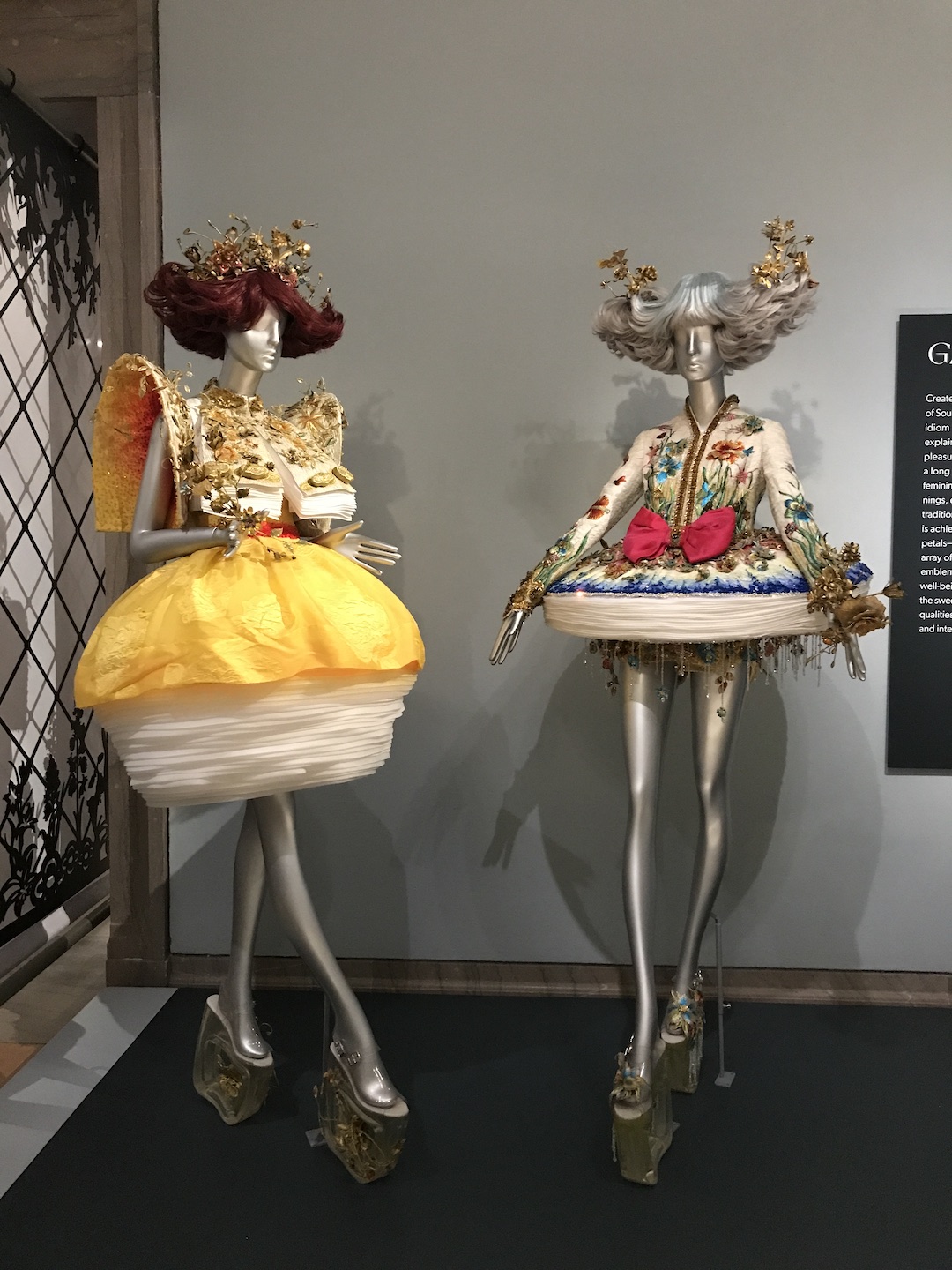
In a more recent and much shorter trip, I got to see Guo Pei’s Couture Fantasy at the Legion of Honor Museum in San Francisco. Guo Pei is a Chinese fashion designer who is very popular among Chinese and Western celebrities. She’s one who designed the spectacular 2015 Rihanna’s Met Gala gown. Many of Guo’s designs feature intricate embroidery and lavish materials. They are quite labor intensive, and some took thousands of hours to make.


Instead of putting all the items in one dedicated area, the museum chose to set some of her works up among their permanent collections, creating some interesting juxtaposition.
From cozy comic daily life to extravagant haute couture, each of these shows is a change of scene from my currently skill focused art practice. They make me think about what art is and what art serves. But most importantly, museums are fun and I am back!
Years ago in a watercolor class, we practiced rendering glasses by choosing from a couple of setups. I got ambitious and turned the practice into a full painting:

The roses were supposed to be a different setting, and I didn’t choose it because I thought apples would be easier. However, in composing the whole piece, I thought the glimpse of the flowers would be interesting. As you can see, I indeed didn’t know how to handle those petals and leaves back then, but I think they added liveliness to the scene. I remember some fellow artist commented, “The roses are saying,’We are here! Our turn! Our turn!'”
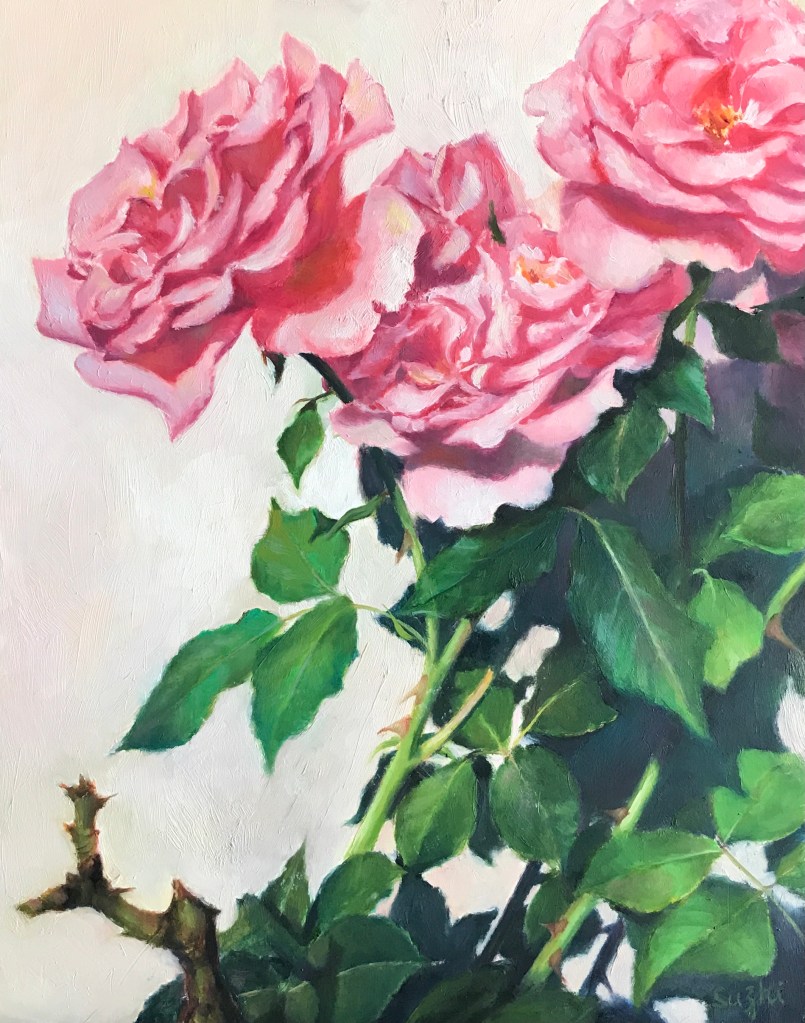
Recently when looking through some old reference photos, I was surprised to see that I actually took a few shots of the roses at the time. Hence, their turn:

Hehe, the petals and the leaves are still challenging, but I feel they are happy to be in the spotlight!